
A compact Rift Valley sanctuary of lake, woodland and escarpment
Covering 188 square kilometres on the floor of Kenya's Great Rift Valley at roughly 1,754 metres above sea level, Lake Nakuru National Park packs extraordinary ecological diversity into an easily explored wildlife circuit. Surrounding the shallow alkaline soda lake are yellow barked acacia woodlands, open grasslands, marshy shorelines, rocky cliffs and one of Africa's largest candelabra euphorbia forests.
Designated Kenya's first Wetland of International Importance under the Ramsar Convention (Site No. 476) and inscribed in 2011 as part of the UNESCO World Heritage Kenya Lake System in the Great Rift Valley alongside Lake Bogoria and Lake Elementaita, the park offers dramatic Rift Valley scenery just a few kilometres south of Nakuru City. Signature stops include Baboon Cliff, Lion Hill, Out of Africa Lookout and scenic Makalia Waterfalls in the southern hills.
Kenya's first rhino sanctuary, wildlife and realistic birding expectations
Established in 1987 as Kenya's first government managed rhino sanctuary, Lake Nakuru remains one of East Africa's most dependable parks for observing both critically endangered black rhinos and southern white rhinos on a single game drive. The park is also a crucial refuge for endangered Rothschild's giraffes, alongside Cape buffalo, defassa waterbuck, plains zebra, impala, olive baboons, black and white colobus monkeys, spotted hyenas, lions and leopards that occasionally rest in fever tree branches. Note that African elephants are not resident inside Lake Nakuru National Park.
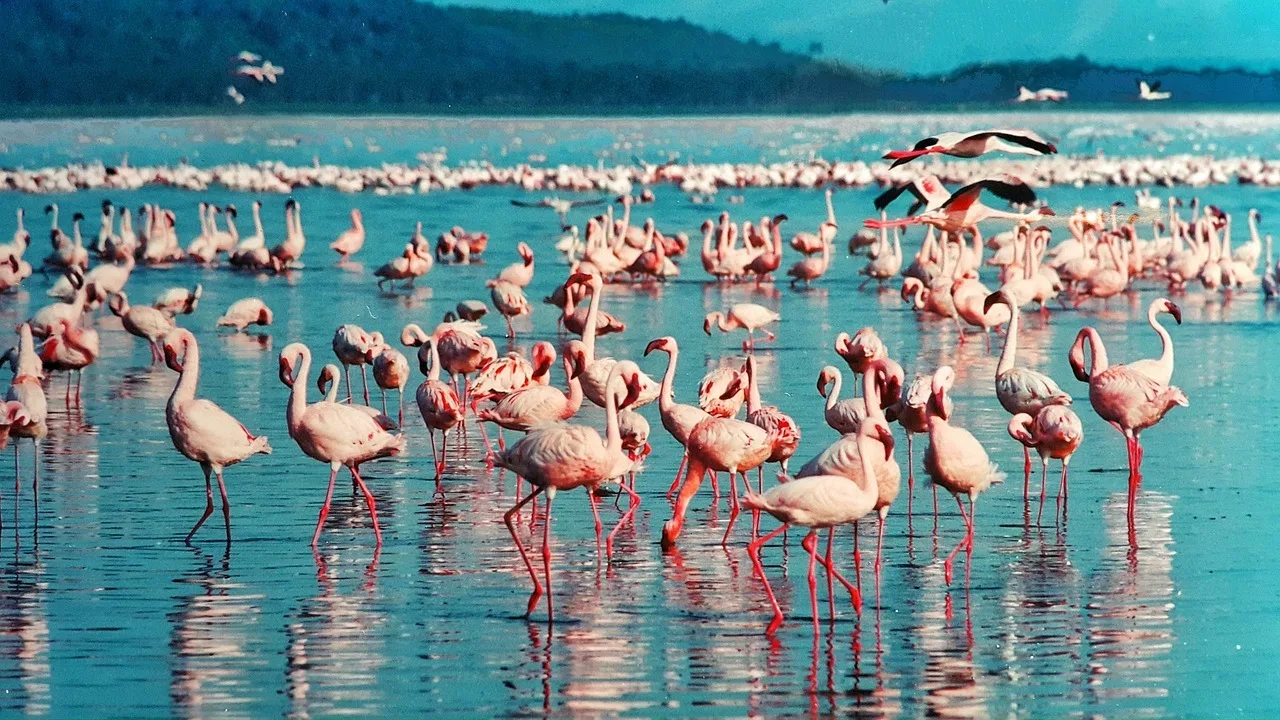
Approximately 450 bird species have been recorded across the lake and surrounding woodlands, including great white pelicans, African fish eagles, cormorants, storks, kingfishers and cliff dwelling raptors. While Lake Nakuru became world famous for massive pink flocks of lesser flamingos, rising Rift Valley water levels and shifting salinity mean flamingo numbers fluctuate naturally between Lake Nakuru, Lake Bogoria and Lake Elementaita. Planning your visit for rhinos, giraffes, viewpoints and varied waterbirds ensures a rewarding day regardless of seasonal flamingo movements.
Park rules, safety and conservation fees
Lake Nakuru National Park is managed by Kenya Wildlife Service (KWS) and fenced around its perimeter to safeguard rhinos and neighbouring communities. Gates operate daily from 6:00 am to 6:00 pm, single use plastics are strictly prohibited, off road driving is banned, the maximum speed limit is 40 km/h and vehicles must maintain a minimum 20 metre viewing distance from wildlife. Conservation entry fees are paid cashlessly through eCitizen and confirmed in writing by Eventide Safaris for your exact travel dates.
Where to stay in and around Lake Nakuru
Staying inside the park puts you on the tracks at sunrise for rhinos and quiet lakeside light, while properties in Nakuru City or bordering conservancies offer practical alternatives. Eventide Safaris can incorporate any tier into your private itinerary:
- Budget and self catering stays: Explore our profile of Eagle Palace Hotel Nakuru in town for straightforward value, or book inside the park at KWS self catering Naishi Guest House and designated KWS public or special campsites such as Reedbuck and Rhino.
- Midrange lodges and camps: Review our guide to Lake Nakuru Lodge inside the southeastern sector, consider Lake Nakuru Sopa Lodge perched on elevated western hills with broad lake panoramas, or stay just outside Nderit Gate at Mbweha Camp inside the neighbouring 6,400 acre Congreve Conservancy where guided walks and night drives are permitted.
- Luxury and boutique retreats: Discover our profiles of Sarova Lion Hill Game Lodge tucked along wooded slopes above the lake and ultra luxury The Cliff Lake Nakuru, an intimate ten tent camp poised on a 100 metre rock face overlooking the water.
How Lake Nakuru fits into a Kenya safari route
Because its compact road network can be explored thoroughly in one or two nights, Lake Nakuru is the classic Rift Valley bridge between Nairobi and Masai Mara National Reserve. It pairs effortlessly with boat trips at Lake Naivasha, cycling in Hell's Gate National Park and highland conservation circuits linking Aberdare National Park and Ol Pejeta Conservancy. Browse our Kenya safari packages, family safari holidays or plan a private tailor made route with our Nairobi team.
What makes this destination special
- Premier rhino sanctuary: Kenya's first government managed rhino sanctuary with reliable viewing of both black and white rhinos.
- Rothschild's giraffe refuge: one of Kenya's best parks to photograph endangered Rothschild's giraffes in open acacia woodland.
- UNESCO World Heritage and Ramsar wetland: around 450 recorded bird species including pelicans, fish eagles, raptors and seasonal flamingos.
- Scenic Rift Valley viewpoints: sweeping panoramas from Baboon Cliff, Lion Hill and Out of Africa Lookout.
- Makalia Waterfalls and euphorbia forest: picturesque southern waterfall picnic area and dense woodland drives.
- Effortless safari routing: sits directly on the A104 corridor connecting Nairobi, Lake Naivasha and the Masai Mara.
Best time to visit
Productive year round for rhinos, giraffes and woodland wildlife. Dry months from June to October and January to February keep tracks firmer for game drives, while November to April brings migratory birds and lush Rift Valley greenery.
How to get there
By road from Nairobi: Located 156 km northwest of Nairobi along the paved A104 Nairobi to Nakuru highway (typically 2.5 to 3.5 hours depending on highway traffic). Visitors enter through three main gates: Main Gate (4 km from Nakuru City), Lanet Gate (convenient directly off the A104 highway from Nairobi), and Nderit Gate (on the southern edge when connecting from Lake Elementaita, Lake Naivasha or Masai Mara National Reserve).
By air: Private charter light aircraft can land at Naishi Airstrip inside the southern sector of the park, though the overwhelming majority of travellers visit by private 4x4 safari vehicle as part of a Rift Valley overland circuit.
Official park information and entry: Review current visitor guidelines on the Kenya Wildlife Service Lake Nakuru page. Cashless park conservation fees are paid through the official KWS eCitizen portal; Eventide Safaris confirms current official fees in your written safari quotation.
Why visit Lake Nakuru National Park?
Choose Lake Nakuru National Park for dependable black and white rhino sightings, endangered Rothschild's giraffes, UNESCO listed Rift Valley lake scenery and effortless overland routing between Nairobi and the Masai Mara.
Where is Lake Nakuru National Park?
Explore this destination's location in Kenya and the surrounding area.
Where to stay around Lake Nakuru National Park
Consider different comfort levels and locations when planning this part of Kenya. Every stay is subject to availability and a confirmed quotation.
Compare more accommodation for Lake Nakuru National ParkSafari itineraries that include Lake Nakuru National Park
Explore routes that feature this destination, then choose the pace and accommodation that work for your group.
Lake Nakuru, Lake Naivasha and Crescent Island Day Safari
A Lake Nakuru and Naivasha day safari from Nairobi combines a focused rhino game drive in Lake Nakuru National Park with Lake...