
A wild, uncrowded eastern Kenya wilderness of rivers and palms
Covering roughly 870 square kilometres east of Mount Kenya in Meru County, Meru National Park offers one of Kenya's most authentic, off the beaten path safari experiences. Unlike busier southern circuits, Meru feels expansive, untamed and deeply exploratory: lush riverine forests, stands of towering doum palms and ancient baobabs wind through open savannah grasslands, seasonal swamps and red earth plains fed by thirteen major rivers and countless mountain streams flowing down toward the Tana River.
That abundance of water gives Meru a greener, more varied habitat mix than many semi arid parks, creating dramatic shifts in scenery within a single game drive and far fewer safari vehicles on the tracks.
Big Five wildlife, rhino sanctuary, northern species and Born Free heritage
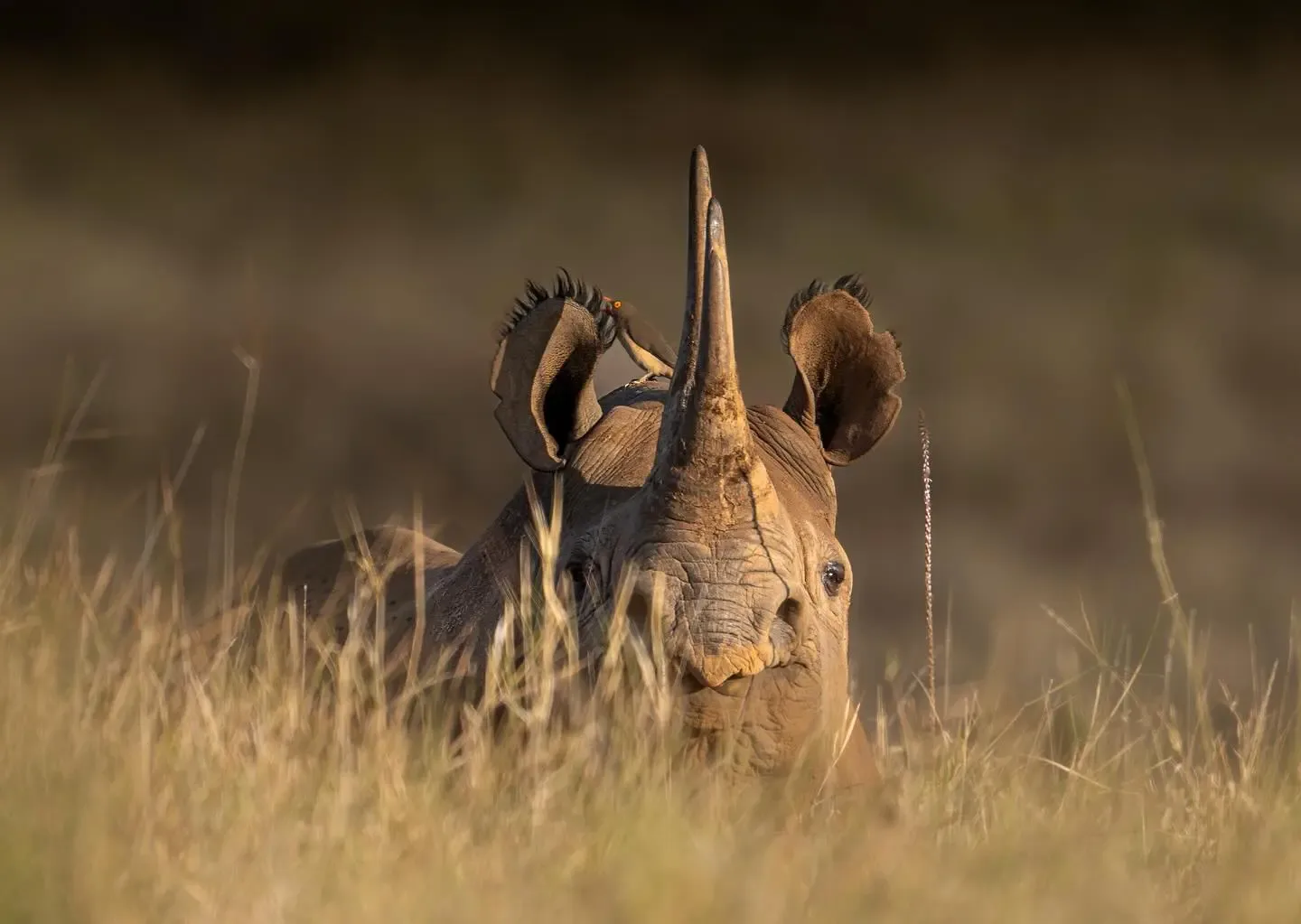
Meru supports the complete Big Five, including African elephant, Cape buffalo, lion, leopard and both critically endangered black rhinos and southern white rhinos protected within a dedicated, high security rhino sanctuary inside the park. Because Meru sits between central highlands and northern drylands, visitors can also spot northern species such as reticulated giraffes, Grevy's zebras, Beisa oryxes, long necked gerenuks and lesser kudus, alongside hippos, crocodiles, cheetahs, eland and nearly 450 recorded bird species including Pel's fishing owl and Peter's finfoot along wooded watercourses.
Meru also holds an unforgettable place in conservation history as the home of conservationists George and Joy Adamson and Elsa the lioness, chronicled in Born Free. Across the Tana River to the southeast, Meru links with neighbouring Kora National Park (where George Adamson later lived and worked at Kampi ya Simba), creating a meaningful conservation heritage corridor.
Top activities and experiences in Meru National Park
Meru rewards travellers who appreciate unhurried wildlife tracking, river scenery and rich natural history:
- Unhurried river and plains game drives: Explore diverse habitats from open grasslands to Tana and Rojewero river corridors in search of elephants, big cats, rhinos and northern dryland wildlife without crowded sightings.
- Rhino sanctuary tracking: Join guided game drives inside Meru's protected rhino sanctuary to observe black and white rhinos in a wild, spacious setting.
- Born Free and Adamson heritage visits: Trace the conservation story of Elsa the lioness and George and Joy Adamson across the park's historic landscapes.
- River and woodland birdwatching: Scan riverine galleries, swamps and acacia bush for nearly 450 bird species, raptors and waterbirds.
- Scenic photography and sundowners: Photograph doum palms, baobabs, rivers and golden hour savannah views in a tranquil wilderness setting.
Where to stay in and around Meru National Park
Because Meru is remote and peaceful, lodge choices are intimate and well spaced. Eventide Safaris confirms current availability, road or flight access and park fees in every written quotation:
- Budget and self catering stays: Explore KWS self catering retreats and cottages via KWS Mbugani Homes Meru (including Meru Guest House, Kinna Cottages and Murera Cottage) alongside public and special campsites inside the park.
- Midrange lodges and camps: Consider Rhino River Camp on the border of Meru National Park near the Kindani River for a relaxed, nature focused stay with guided walks and game drives.
- Luxury and boutique lodges: Explore our published profile of Elsas Kopje Meru, an intimate luxury lodge built around Mughwango Hill overlooking the plains where Elsa was raised, or consider Joy's Camp pitched on the site of Joy Adamson's former camp in the northern sector of the park.
Combining Meru into a northern and central Kenya safari
Allow at least two to three nights in Meru National Park so transfer time never cuts short your game drives. Meru pairs naturally with Lewa Wildlife Conservancy, Ol Pejeta Conservancy, Mount Kenya National Park and Samburu National Reserve, and can also link by scheduled or charter flights with Masai Mara National Reserve. Browse our Kenya safari packages or ask Eventide Safaris to design a private tailor made safari tailored to your pace.
What makes this destination special
- Big Five and rhino sanctuary: home to elephants, buffaloes, lions, leopards and both black and white rhinos in a protected sanctuary.
- Rivers, doum palms and baobabs: lush watercourses, swamps and varied habitats far quieter than classic circuits.
- Northern wildlife mix: spot Grevy's zebras, reticulated giraffes, Beisa oryxes and gerenuks alongside savannah game.
- Born Free conservation legacy: closely tied to George and Joy Adamson and Elsa the lioness.
- Nearly 450 bird species: diverse riverine, wetland and dry bush birding across the park.
- Road and airstrip access: reachable via central Kenya highways or light aircraft flights into park airstrips.
Best time to visit
Dry seasons from June to October and December to March offer easier 4x4 tracks and concentrated wildlife near rivers. Green months bring lush scenery, wildflowers and migratory birds; confirm road conditions during heavy rains.
How to get there
By road from Nairobi: Located roughly 340 to 350 km northeast of Nairobi (typically 6 to 7 hours in a 4x4 safari vehicle depending on route and traffic). Common approaches travel via Thika, Embu and Murera Gate (southern approach), or north via Nanyuki and Meru town toward the park's western and northern gates. A 4x4 safari vehicle is strongly recommended.
By air: Scheduled and charter light aircraft flights serve park airstrips including Kikori Airstrip, Mulika Airstrip and Kinna Airstrip, connecting Meru with Nairobi Wilson Airport, Laikipia and northern safari hubs (standard 15 kg soft baggage limits typically apply on scheduled flights).
Official park information and entry: Meru National Park is managed by Kenya Wildlife Service (KWS) (gates open daily 6:00 am to 6:00 pm; plastic free; 40 km/h speed limit; no off road driving; 20 metre wildlife viewing distance). Cashless park conservation fees are processed through the official KWS eCitizen portal; Eventide Safaris confirms current official tariffs and routing in your written quotation.
Why visit Meru National Park?
Choose Meru National Park for uncrowded Big Five and rhino tracking, rich river and doum palm landscapes, Born Free conservation history and a rewarding, quieter northern Kenya adventure.
Where is Meru National Park?
Explore this destination's location in Kenya and the surrounding area.