
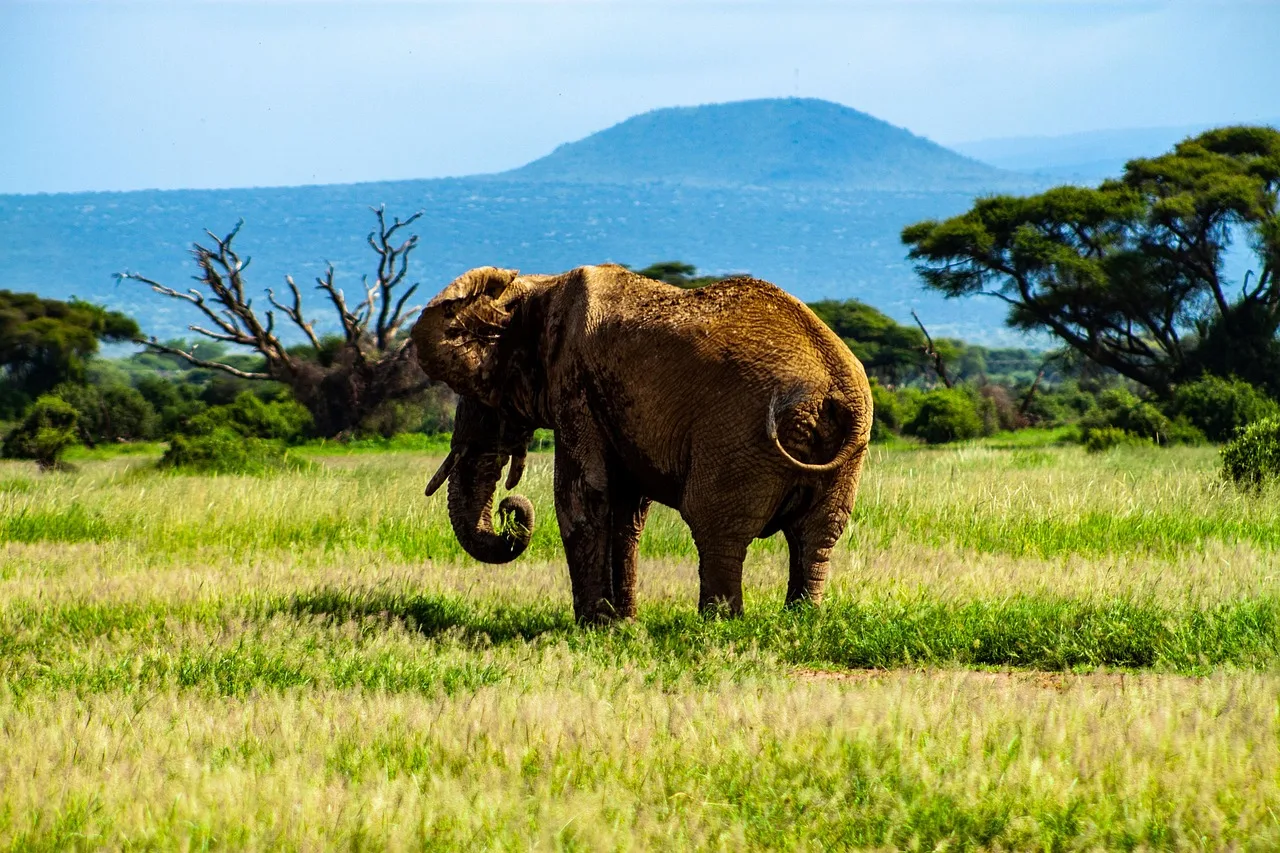
Elephants, wetlands and Mount Kilimanjaro
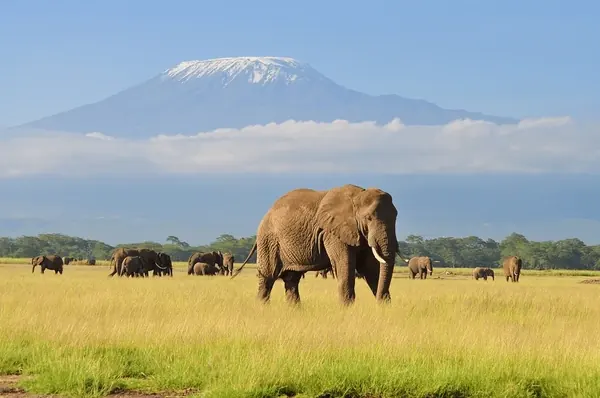
Covering 392 square kilometres in Kajiado County at the core of an 8,000-square-kilometre cross-border ecosystem, Amboseli National Park is one of Kenya's most photogenic wildlife landscapes. Named from the Maa word Empusel (meaning salty, dusty place), the park is fed by underground meltwater filtering down from Mount Kilimanjaro across the Tanzanian border. That subterranean water surfaces in permanent swamps—such as Enkongo Narok and Ol Okenya—creating lush green oases amid dry savannah plains, acacia woodland and the seasonal Lake Amboseli basin.
Gazetted as a national park in 1974 and designated a UNESCO Man and the Biosphere Reserve in 1991, Amboseli stands out for open sightlines that make wildlife observation extraordinarily clear. Mount Kilimanjaro rises dramatically to the south, though cloud cover often hides the summit by mid-morning—early dawn and late-afternoon drives offer the highest chances of clear mountain views.
Wildlife, elephant research and birdlife
Amboseli is internationally renowned for its free-ranging African elephant families, home to one of the world's longest-running elephant studies coordinated by the Amboseli Trust for Elephants since 1972. Because the elephants move predictably between nocturnal acacia browsing grounds and daytime marshes, visitors frequently observe matriarch-led herds, calves and large tuskers crossing open tracks at close—yet respectful—range.
Beyond elephants, the park supports Cape buffalo, Maasai giraffe, Grant's zebra, blue wildebeest, hippo, spotted hyena, lion, cheetah, serval and lesser kudu. Rhinos are not present in Amboseli. As one of Kenya's Important Bird Areas, Amboseli records over 400 bird species—including 40+ raptors, pelicans, crowned cranes, kingfishers, crakes and seasonal flamingos when the lake basin holds water. Observation Hill (Nomatior), a volcanic cone rising above the western swamps, is one of the few designated spots where visitors may step out of the vehicle for 360-degree views across the marshes and plains.
Park governance, conservation rules and responsible viewing
Following a landmark Deed of Transfer effective late 2025, Amboseli is undergoing a phased three-year management transition toward the Kajiado County Government (scheduled to complete by 2029), while the Kenya Wildlife Service (KWS) retains national research, ecological monitoring and conservation oversight. Conservation fees continue to be collected cashlessly via eCitizen, and park rules remain strictly enforced: gates operate from 6:00 am to 6:00 pm, single-use plastics are prohibited, the maximum speed limit is 40 km/h, off-road driving is banned to protect fragile alkaline soils, and vehicles must keep at least 20 metres from wildlife.
Choosing your stay and planning the right route
Allowing at least two nights in Amboseli gives you unhurried sunrise and sunset game drives—crucial both for elephant crossings and for catching Kilimanjaro free of cloud. Staying inside the park or directly adjacent to Kimana, Iremito or Meshanani gates saves morning transit time compared with distant lodges outside the ecosystem. Bordering Maasai community conservancies—such as Kitirua and Selenkay—offer quieter stays and permitted guided bush walks or night drives outside national park boundaries.
Amboseli pairs seamlessly with Tsavo West National Park via the Chyulu corridor, Chyulu Hills National Park, and Tsavo East National Park before continuing to Diani Beach on a Kenya bush and beach safari. Fly-in itineraries from Wilson Airport also link Amboseli directly with Masai Mara National Reserve. Browse our Kenya safari packages or request a private tailor-made route shaped around your travel dates.
What makes this destination special
- Iconic elephant herds: home to habituated, matriarch-led elephant families studied continuously since 1972.
- Mount Kilimanjaro backdrop: dramatic early-morning views of Africa's highest peak rising behind open plains when skies are clear.
- Spring-fed permanent swamps: Kilimanjaro meltwater sustains year-round marshes that concentrate elephants, buffalo, hippos and waterbirds.
- Observation Hill (Nomatior): elevated panoramic viewpoint where guests can safely alight for sweeping views over the basin.
- UNESCO Biosphere Reserve & birding: over 400 recorded bird species, including 40+ birds of prey and seasonal flamingos on Lake Amboseli.
- Maasai cultural heritage: pre-arranged, host-led visits to bordering Maasai communities around the wider Amboseli ecosystem.
Best time to visit
Dry months from June to October and January to February offer clear tracks, lower grass and concentrated swamp wildlife. Green months (March–May, November–December) bring lush skies, migratory birds and fewer vehicles, though some tracks get muddy.
How to get there
By road from Nairobi: Approximately 204–240 km south of Nairobi (typically 4 to 5 hours depending on traffic and entry gate). The main paved route follows the Nairobi–Mombasa highway (A109) to Emali, then turns onto the Emali–Loitokitok road toward Iremito Gate (~204 km) or continues via Kimana town to Kimana Gate. An alternative route runs south via Namanga to Meshanani Gate (~220 km, paved to Namanga with a gravel final stretch). A direct safari corridor also links Amboseli with Tsavo West National Park via Chyulu and Kimana gates.
By air: Daily scheduled light-aircraft flights depart Nairobi's Wilson Airport to the tarmacked 1.2 km Amboseli (Kimana) Airstrip in about 45 minutes, with seasonal connecting flights to the Masai Mara and Kenya coast. Standard soft-sided baggage limits (typically 15 kg) apply.
Official park information & entry: Confirm current visitor guidelines and gate notices on the Kenya Wildlife Service Amboseli National Park page. Cashless conservation fee payments are processed through the official KWS eCitizen portal; Eventide Safaris confirms current official fees in your written safari quotation.
Why visit Amboseli National Park?
Choose Amboseli National Park for Africa's finest close-range elephant photography, compact wetland-to-savannah game drives, rich Maasai cultural context and easy road or Wilson Airport connections to Tsavo, the Masai Mara and Diani Beach.
Where is Amboseli National Park?
Explore this destination's location in Kenya and the surrounding area.
Where to stay around Amboseli National Park
Consider different comfort levels and locations when planning this part of Kenya. Every stay is subject to availability and a confirmed quotation.
Compare more accommodation for Amboseli National ParkSafari itineraries that include Amboseli National Park
Explore routes that feature this destination, then choose the pace and accommodation that work for your group.
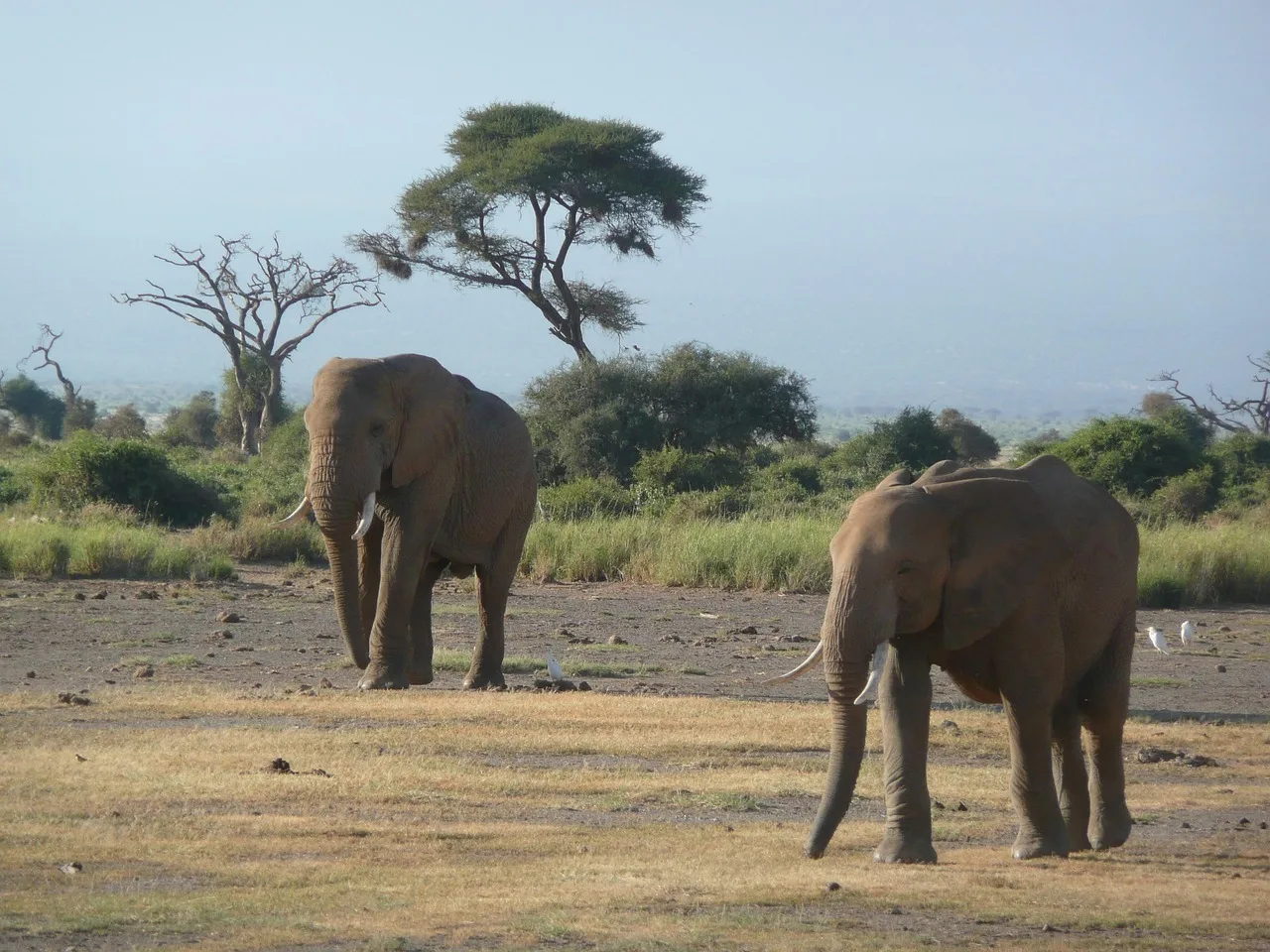
Amboseli Elephant Wildlife Day Safari from Nairobi
An Amboseli day safari from Nairobi is a demanding full-day road trip to Kenya’s famous elephant country, with open plains and possible...
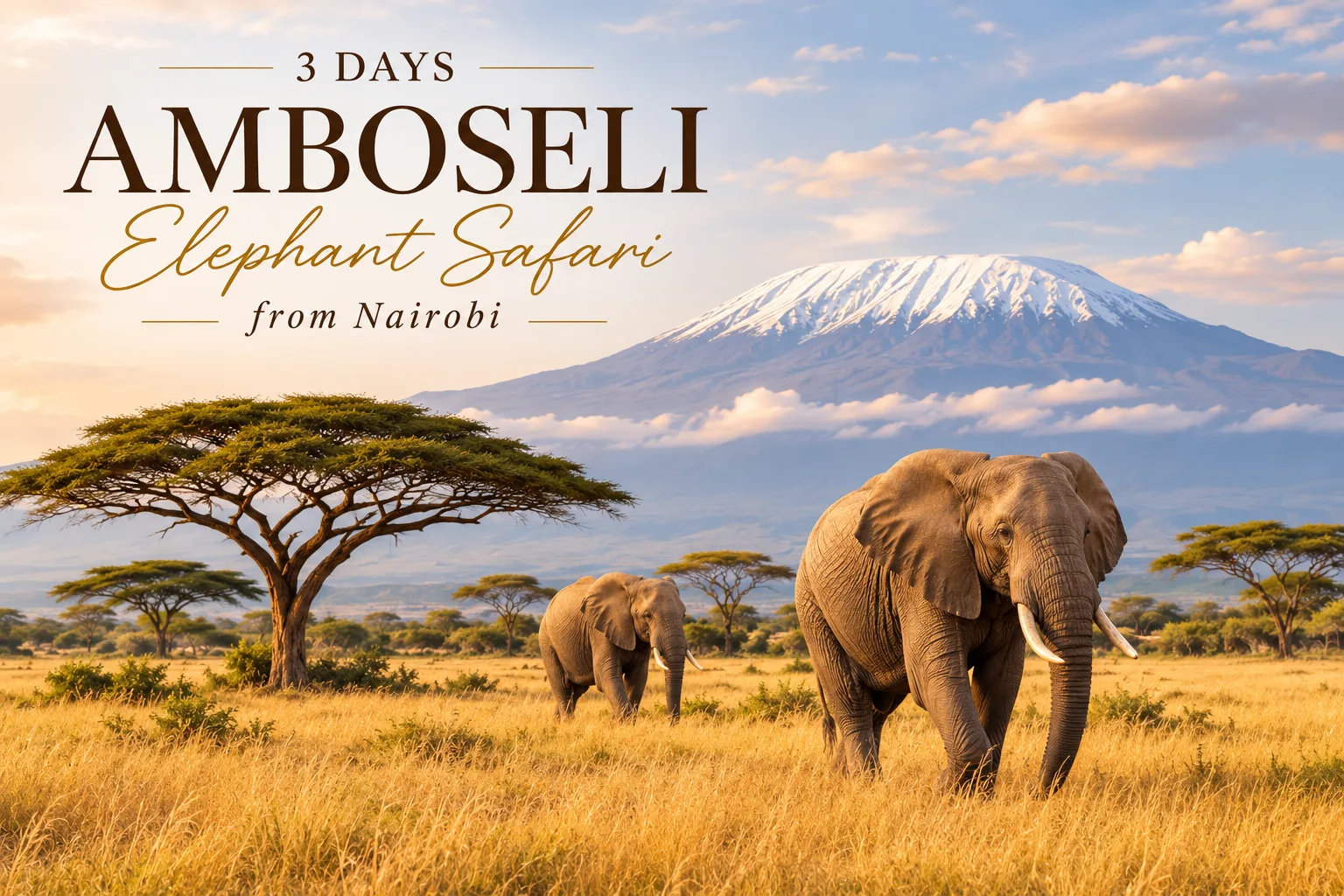
3 Day Amboseli Elephant Safari from Nairobi
Enjoy a private 3 day Amboseli safari from Nairobi with two full nights beneath Mount Kilimanjaro, close elephant herds and 4x4 game...
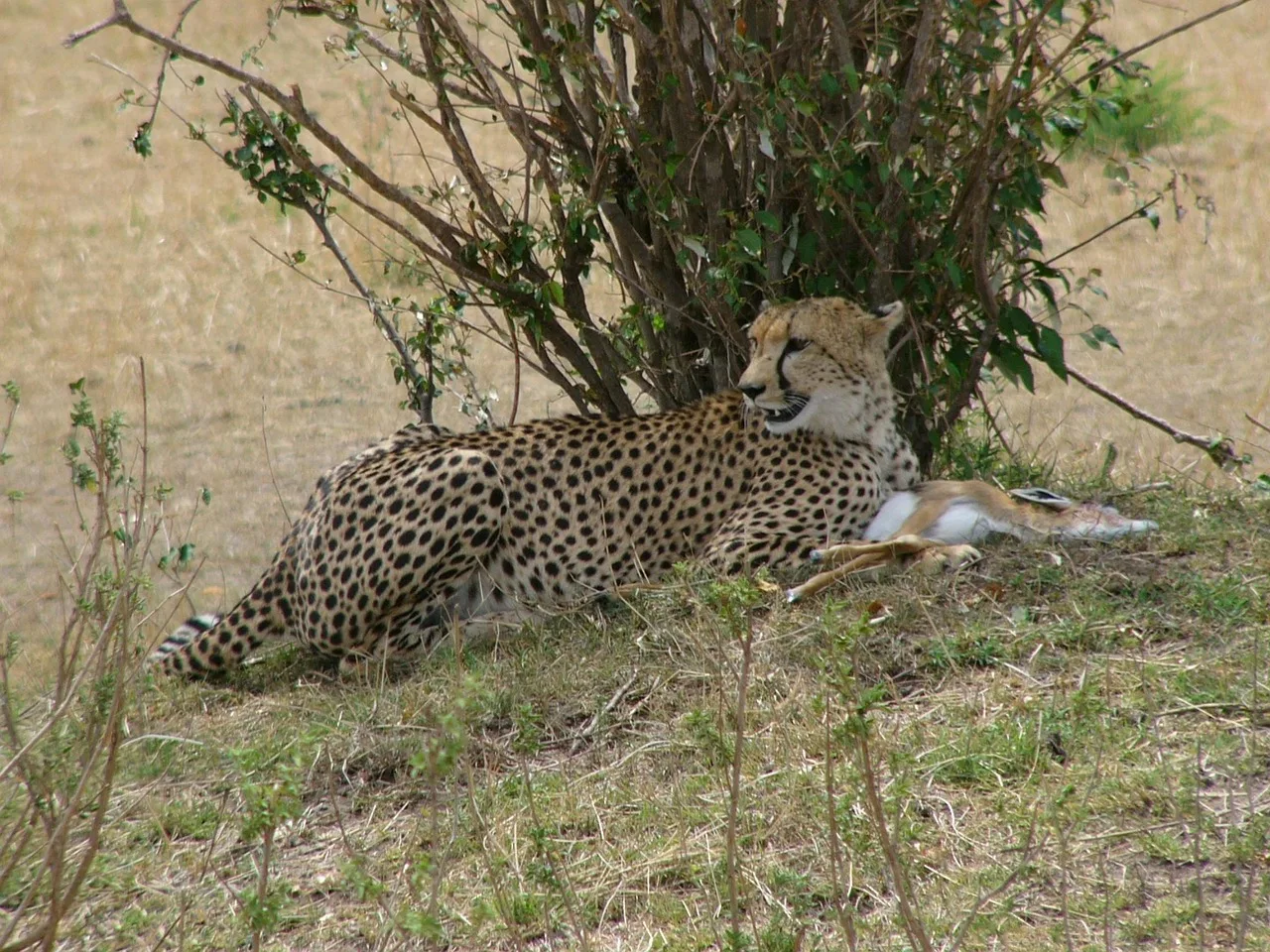
5 Day Amboseli, Naivasha and Masai Mara Safari
Discover three iconic Kenya regions on a private 5 day Amboseli Naivasha Masai Mara safari from Nairobi. Combine elephant plains, Rift Valley...
2 Day Amboseli Safari from Nairobi: Elephants and Kilimanjaro
A 2 day Amboseli safari from Nairobi combines a scenic southbound road transfer, an afternoon wildlife drive and a second early morning...