
Inside the Masai Mara ecosystem
Covering roughly 1,510 square kilometres in southwestern Kenya's Narok County, Masai Mara National Reserve (also spelled Maasai Mara) forms the northern extension of the Serengeti–Mara ecosystem. Elevated between 1,500 and 2,180 metres, its rolling grasslands, acacia thickets and winding Mara, Talek and Sand rivers create one of Africa's richest wildlife habitats.
Big cats, Big Five and year-round wildlife
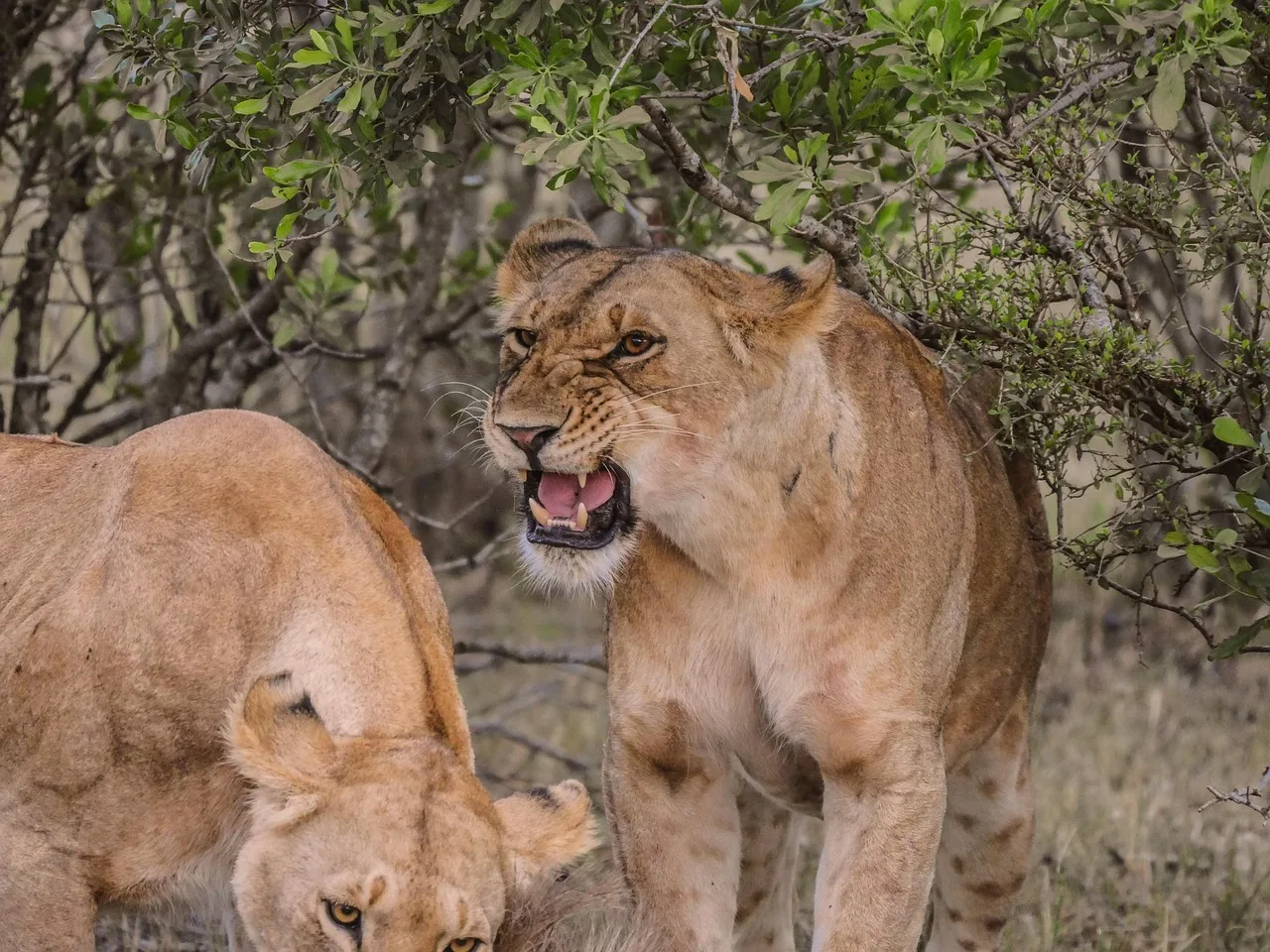
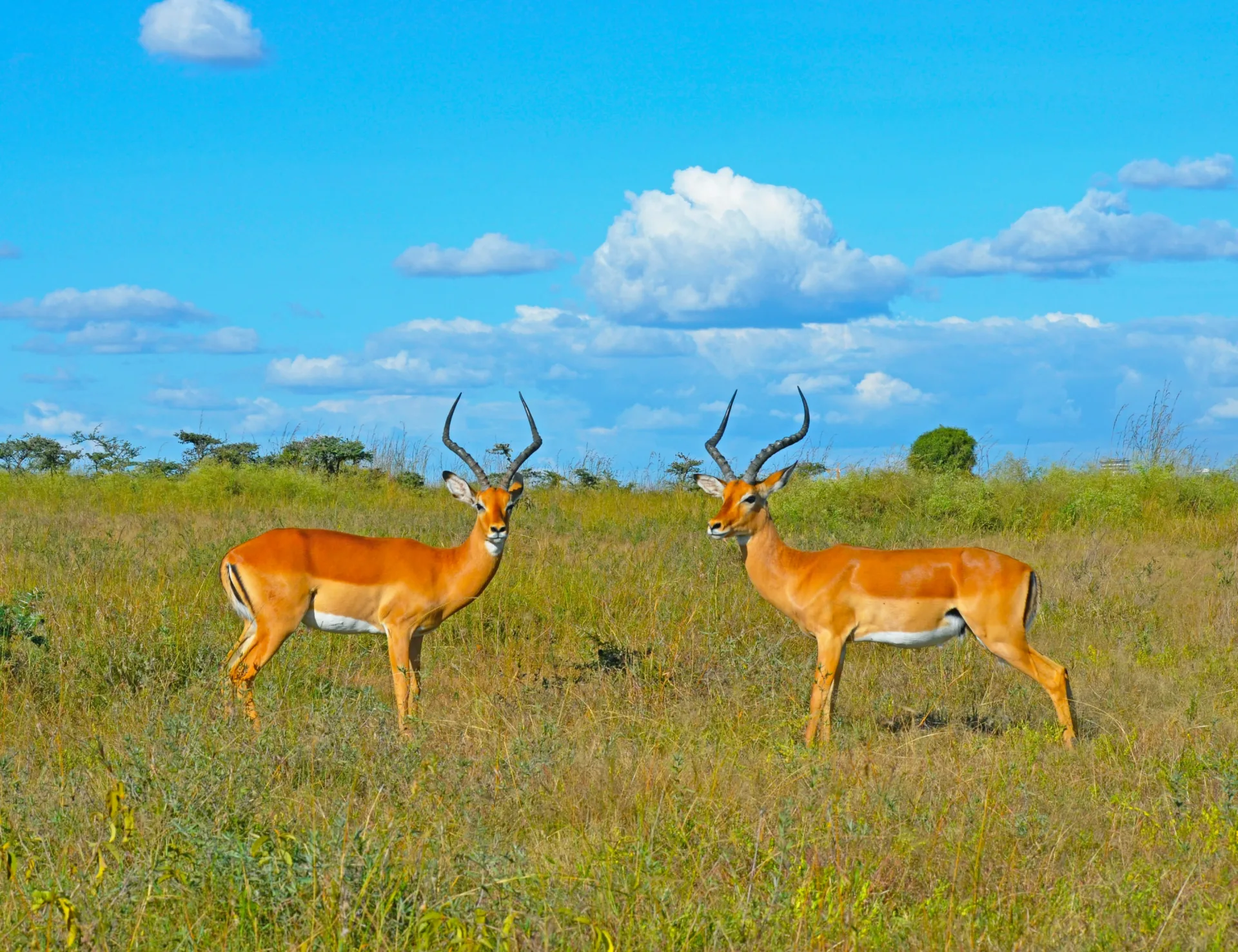
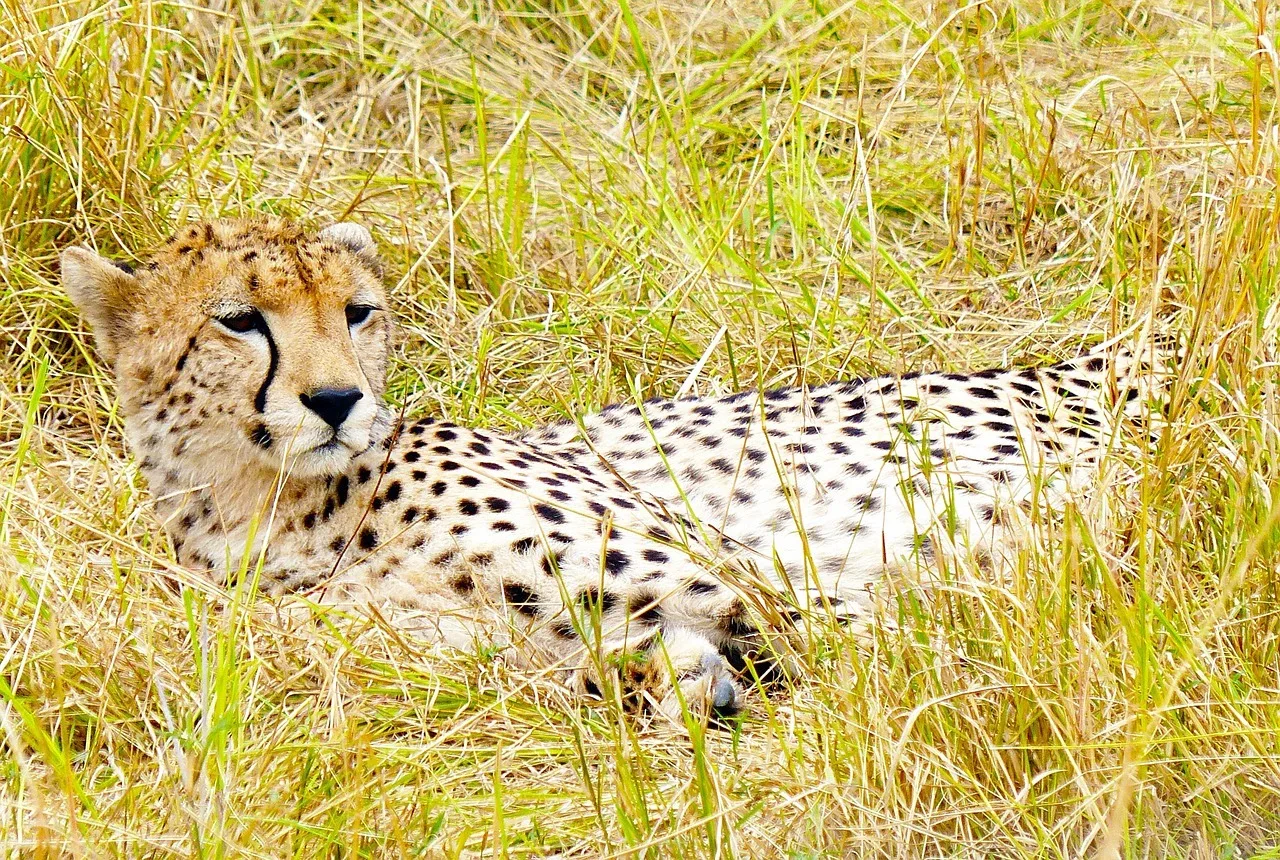
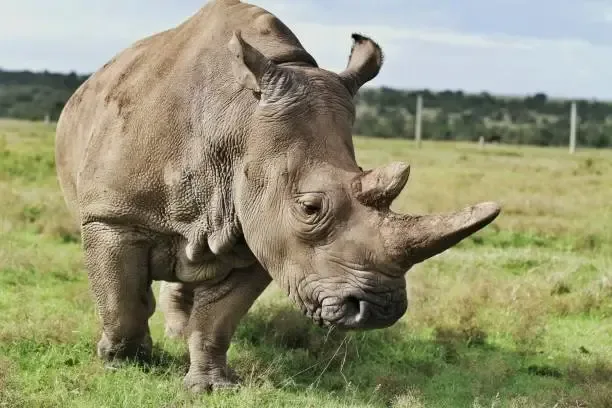
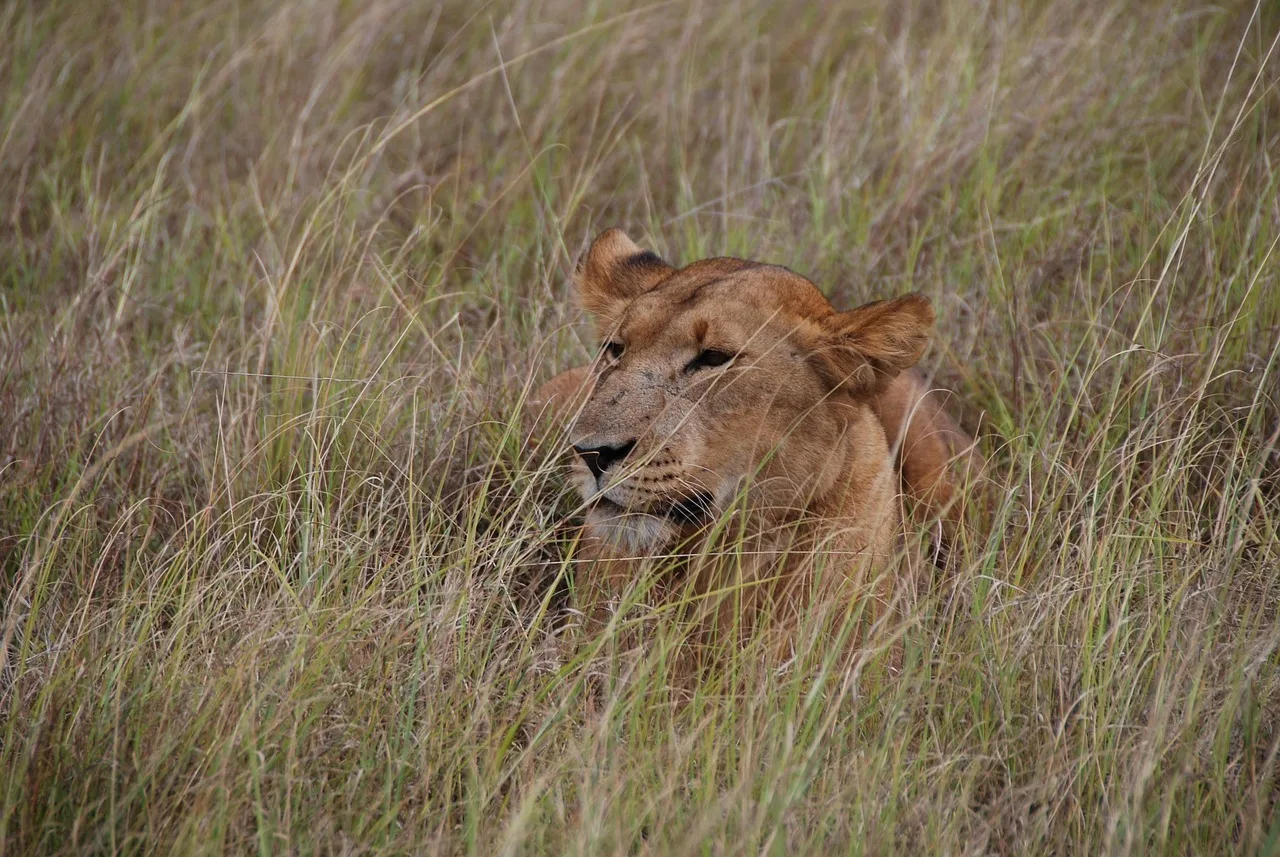
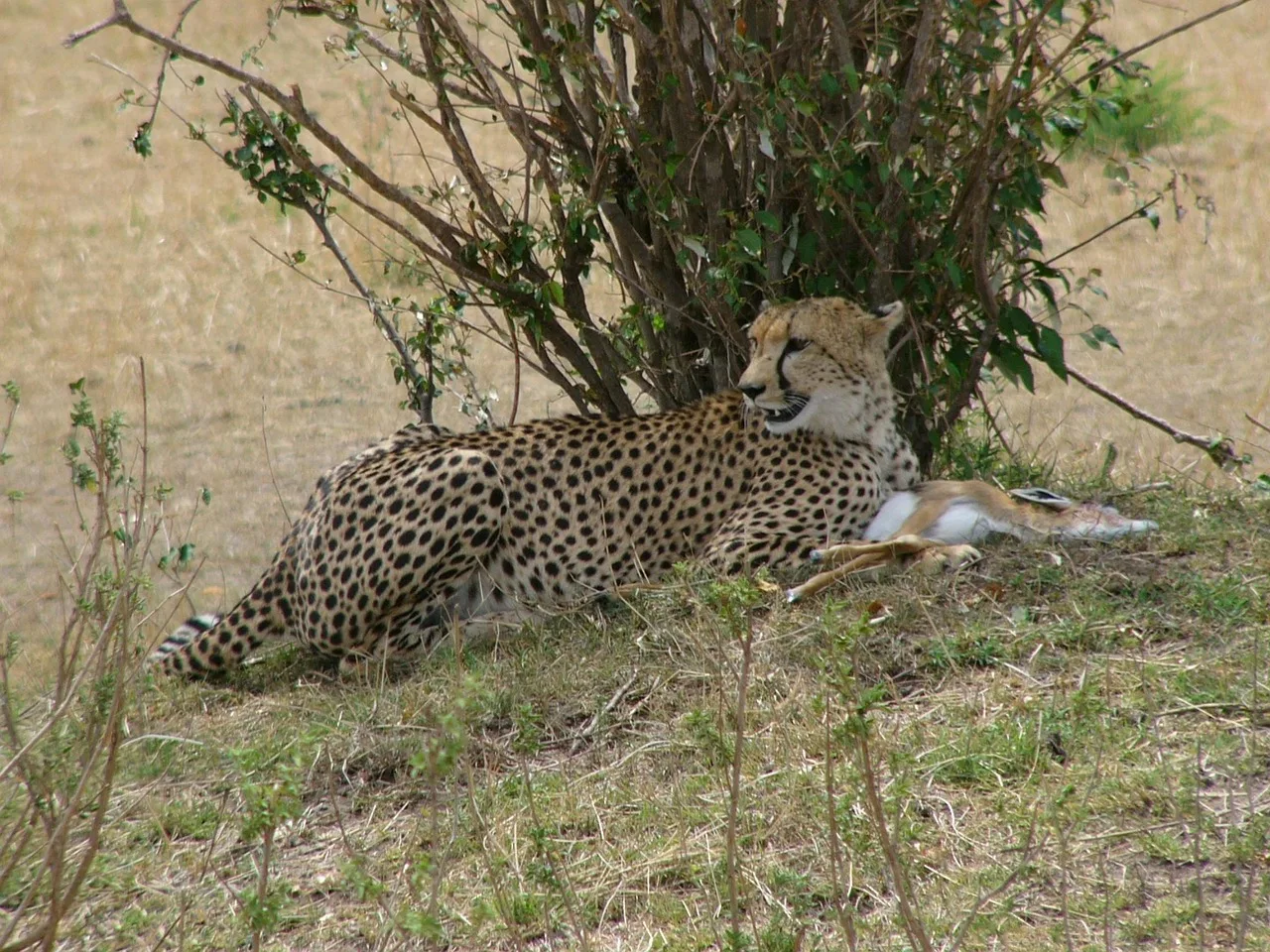
While the seasonal migration draws global attention, resident wildlife makes the Mara rewarding in every month. Healthy populations of lion, cheetah, leopard and spotted hyena share the plains with elephants, buffalo, giraffe, topi, eland, zebra and more than 500 recorded bird species. Black rhinos occur in the ecosystem but remain rare and elusive. Because wildlife moves freely, sightings are never guaranteed—allowing three to four nights gives your guide time to explore multiple sectors without rushing.
The Great Wildebeest Migration: realistic timing
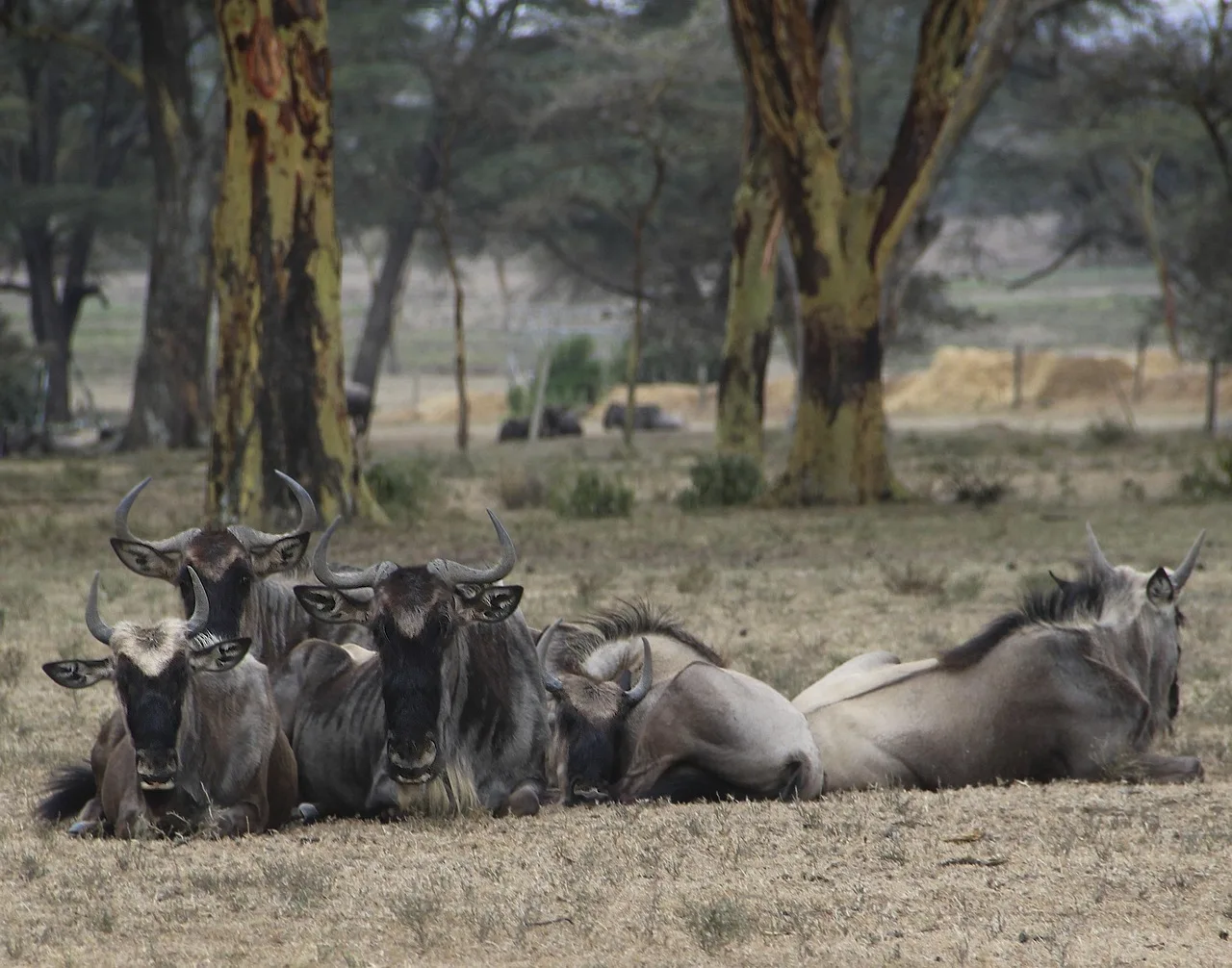
Each year, large herds of wildebeest and zebra move north from Tanzania in response to rainfall and grazing, typically reaching the Kenyan plains between July and October and occasionally lingering into November. Dramatic Mara River crossings depend on river levels, weather and herd movement and can never be scheduled for a specific date. A strong migration itinerary focuses on unhurried game drives across prime grazing corridors rather than waiting at one crowded crossing point.
Main Reserve, Mara Triangle and private conservancies
Understanding how the greater Mara is managed helps you choose the right base:
- Eastern Main Reserve (Narok County): Accessed via Sekenani, Talek, Musiara and Oloolaimutia gates, with broad plains, classic big-cat territory and the widest range of camps.
- Western Mara Triangle (Mara Conservancy): Accessed via Oloololo Gate, Purungat Bridge and Serena Airstrip beneath the Oloololo Escarpment, known for well-maintained roads and quieter river viewpoints.
- Bordering private conservancies: Community-owned areas such as Mara North, Naboisho, Olare Motorogi and Ol Kinyei limit vehicle numbers and may permit guided bush walks, night drives and off-road viewing under conservancy rules.
Both the Main Reserve and Mara Triangle operate cashless conservation ticketing with two seasonal tariff windows (January–June lower season and July–December peak season) and 12-hour daylight entry validity (6:00 am to 6:00 pm). Private conservancies charge separate nightly conservation fees. Eventide Safaris confirms current official fees and exact access rules in writing for your travel dates.
How to combine the Masai Mara with other Kenya parks
Road safaris naturally link the Mara with Lake Naivasha and Lake Nakuru National Park through the Great Rift Valley. Travellers flying from Wilson Airport can seamlessly pair the Mara with Amboseli National Park, Samburu National Reserve, Ol Pejeta Conservancy or an Indian Ocean finish on Diani Beach. Optional sunrise hot-air balloon flights and host-led Maasai cultural visits can be arranged separately alongside your Kenya safari package or private tailor-made itinerary.
What makes this destination special
- Big-cat stronghold: one of East Africa's premier landscapes for observing lion, cheetah and leopard year-round.
- Great Migration: seasonal wildebeest and zebra herds moving through the Serengeti–Mara ecosystem (typically July–October).
- Three distinct safari zones: choose between the eastern Main Reserve, western Mara Triangle and bordering private conservancies.
- Mara & Talek rivers: scenic wildlife corridors home to hippos, Nile crocodiles and dramatic seasonal crossing points.
- Big Five & birding: lion, leopard, elephant and buffalo are regularly encountered, black rhino are rare, and over 500 bird species have been recorded.
- Sunrise ballooning: optional early-morning hot-air balloon flights over the plains, quoted separately through approved operators.
Best time to visit
Year-round for resident big cats; July to October is peak dry and Great Migration season (crossings never guaranteed). January to February is warm and dry; green months bring lush plains and fewer vehicles.
How to get there
By road: Roughly 230–270 km west of Nairobi via Narok, typically taking 5 to 6 hours in a 4x4 safari vehicle depending on traffic, road conditions and your entry gate (Sekenani, Talek, Oloolaimutia, Musiara or Oloololo). Road journeys pair easily with Lake Naivasha and Lake Nakuru National Park.
By air: Daily scheduled light-aircraft flights depart Nairobi's Wilson Airport (approx. 45–60 minutes; strict 15 kg soft-bag luggage limit typically applies) into airstrips including Keekorok, Ol Kiombo, Musiara, Serena, Kichwa Tembo and Ngerende, with seasonal flights connecting Diani, Mombasa, Amboseli and Samburu.
Official reserve administration: Masai Mara is not a KWS eCitizen park. The Main Reserve is administered by the County Government of Narok, and the western Mara Triangle is managed by Mara Conservancy. Confirm current cashless ticketing rules and seasonal fees before departure.
Why visit Masai Mara National Reserve?
Choose the Masai Mara for Africa's most reliable big-cat viewing, the drama of the seasonal Great Migration, flexible road or Wilson Airport fly-in access, and the choice between classic national-reserve drives and exclusive community conservancies.
Where is Masai Mara National Reserve?
Explore this destination's location in Kenya and the surrounding area.
Where to stay around Masai Mara National Reserve
Consider different comfort levels and locations when planning this part of Kenya. Every stay is subject to availability and a confirmed quotation.
Compare more accommodation for Masai Mara National ReserveSafari itineraries that include Masai Mara National Reserve
Explore routes that feature this destination, then choose the pace and accommodation that work for your group.
7 Day Samburu, Ol Pejeta and Masai Mara Private Safari
Cross three of Kenya’s contrasting wildlife landscapes in seven days: two nights in Samburu, two at Ol Pejeta and two in the...
3 Day Masai Mara Group Joining Safari from Nairobi
A 3 day Masai Mara group joining safari from Nairobi is designed as a shared-vehicle wildlife journey with two nights in the...
8 Day Private Kenya Family Safari: Ol Pejeta, Naivasha and Masai Mara
A thoughtfully paced eight day private family safari in Kenya with one Nairobi night, two nights at Ol Pejeta, a lakeside Naivasha...
10 Day Luxury Masai Mara Safari and Diani Beach Escape
A privately designed ten day luxury bush and beach escape: one relaxed Nairobi arrival night, three nights of Masai Mara wildlife and...
4 Day Masai Mara and Lake Naivasha Private Safari
Experience a private 4 day Masai Mara Lake Naivasha safari from Nairobi with hippo boat rides, walking safaris and big cat game...
5 Day Amboseli, Naivasha and Masai Mara Safari
Discover three iconic Kenya regions on a private 5 day Amboseli Naivasha Masai Mara safari from Nairobi. Combine elephant plains, Rift Valley...