
Understanding a Great Migration Kenya safari
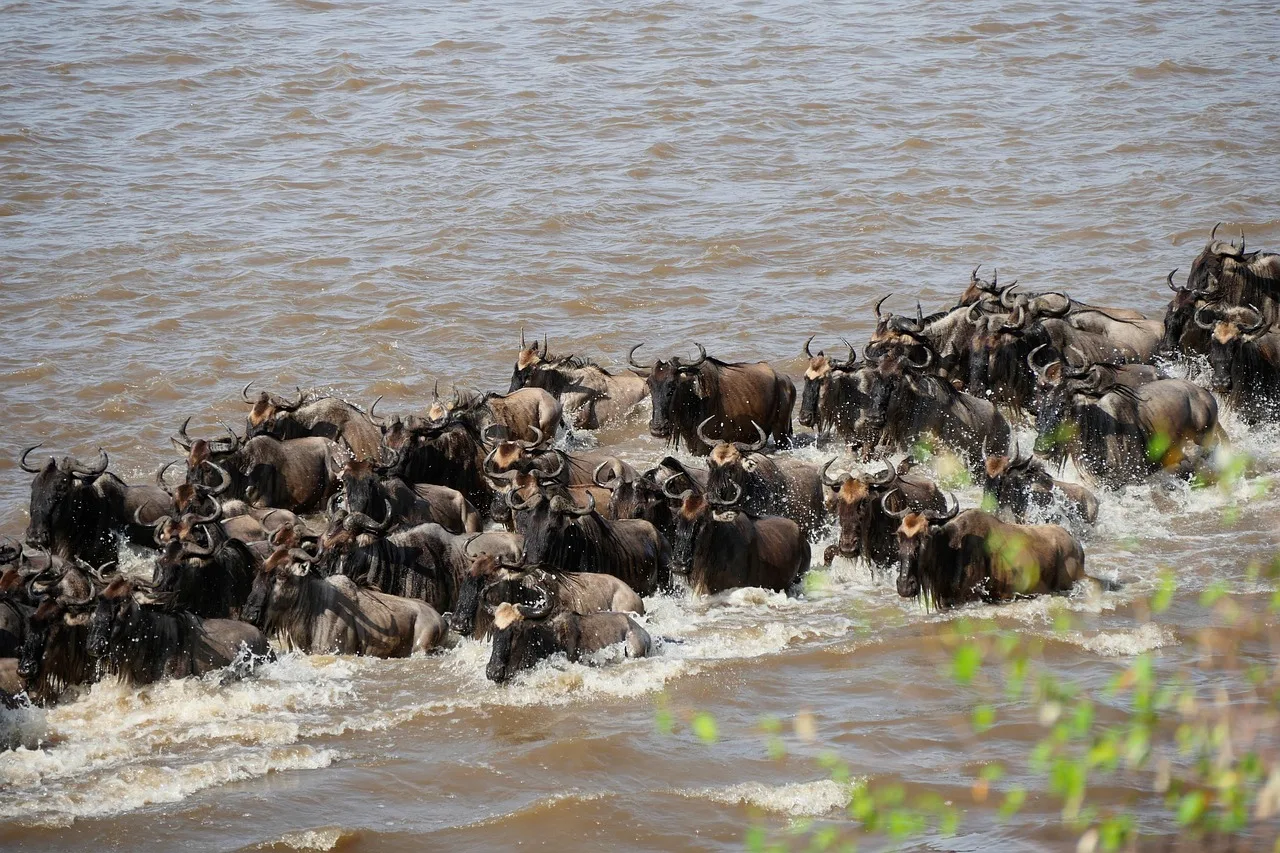
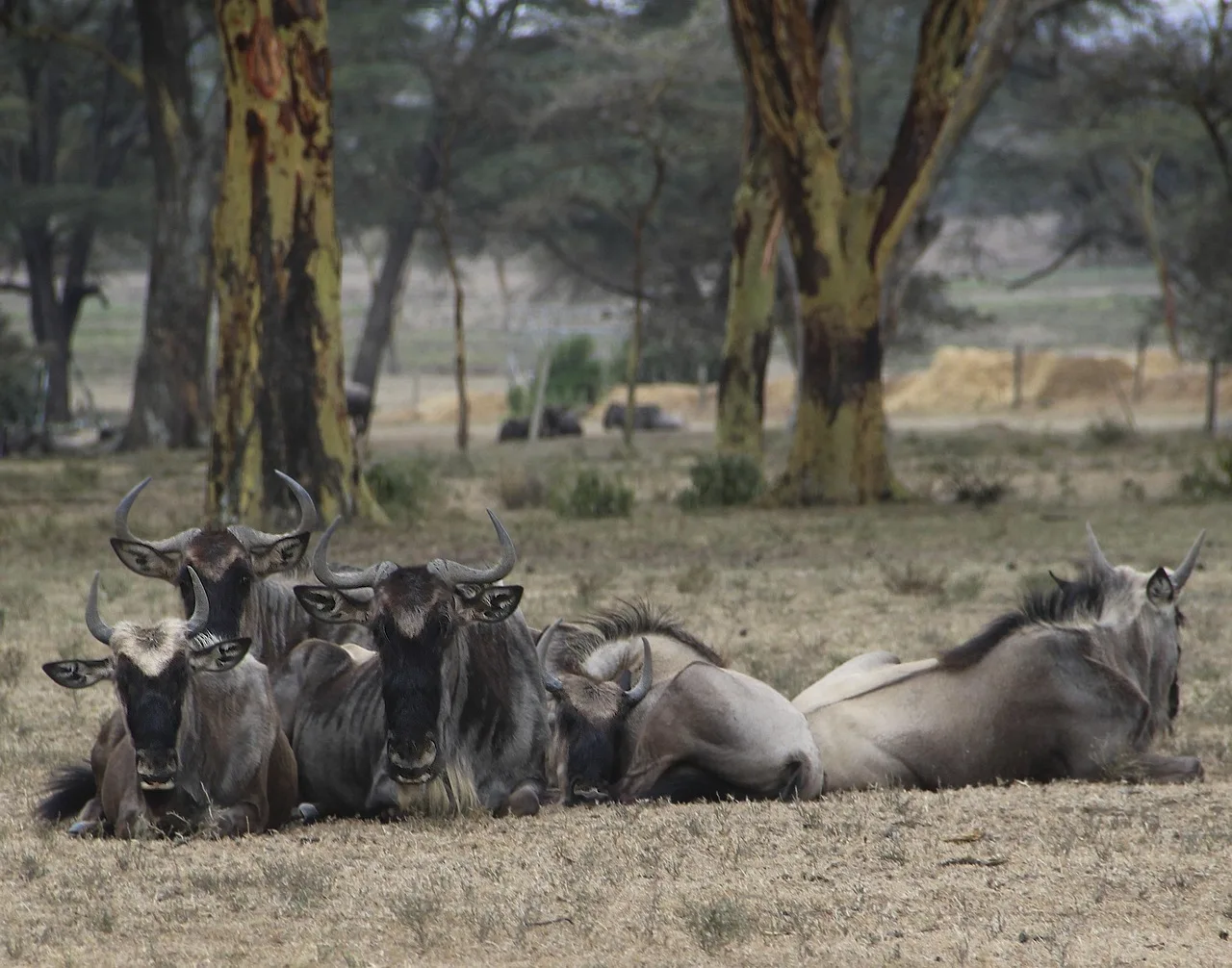
The Great Wildebeest Migration is a continuous, rainfall-driven cycle across the Serengeti–Mara ecosystem involving more than a million wildebeest alongside hundreds of thousands of plains zebras and Thomson's gazelles. Rather than a single scheduled event, the herds follow fresh green grazing north from Tanzania into Kenya's Masai Mara National Reserve before eventually looping back south later in the year.
This Great Migration Kenya guide focuses on setting you up for extraordinary wildlife viewing across the entire ecosystem. Because river crossings depend on herd pressure, water depth and predator movement, no reputable operator can ever guarantee a crossing on a specific afternoon—yet spending three to four unhurried nights in the right sector delivers unforgettable savannah drama every day.
Realistic timing for a Great Migration safari 2027
While rainfall shifts exact dates slightly from year to year, planning around the main seasonal rhythm helps you choose the right travel window:
- Late June to July: Early vanguard herds typically begin crossing the Sand River and southern plains into the Masai Mara, drawing heightened lion, hyena and crocodile activity along river corridors.
- August to September (Peak Window): Historically the highest concentration of wildebeest and zebras across both the eastern Main Reserve and western Mara Triangle, with frequent back-and-forth movements across the Mara and Talek rivers.
- October to early November: Large herds often linger across open plains while short rains begin forming to the south, offering slightly lighter vehicle traffic than August while predators remain busy.
Choosing the right Mara zone: Main Reserve, Triangle or Conservancies
Where your camp sits matters far more during peak migration months than at any other time of year:
- Western Mara Triangle: Administered by Mara Conservancy beneath the Oloololo Escarpment, known for well-maintained roads, dramatic Mara River crossing bends and calmer vehicle management.
- Eastern Main Reserve: Managed by Narok County around Talek, Sekenani, Musiara and Oloolaimutia gates, offering the widest range of budget, midrange and luxury camps.
- Bordering Private Conservancies: Areas such as Mara North, Naboisho, Olare Motorogi and Ol Kinyei strictly limit vehicle numbers and permit night drives and bush walks—giving you quiet sanctuary away from peak riverfront crowds while allowing day visits into the main reserve when separate reserve tickets are included.
How many nights and how to pair the migration
Plan at least three—and ideally four—nights in the Masai Mara during migration season. Extra nights give your driver-guide flexibility to explore different grazing plains, enjoy a full-day picnic drive near the river and add optional experiences like a sunrise hot-air balloon flight or a respectful Maasai cultural visit.
Many travellers combine a Great Migration Kenya safari with Lake Naivasha and Lake Nakuru by 4x4 road, or fly from Wilson Airport to pair the Mara with Amboseli, Samburu or Diani Beach.
Early booking, peak tariffs and responsible viewing
July through October is Kenya's highest-demand season, and peak conservation tariffs apply in the Masai Mara from July to December. Booking your Great Migration safari 2027 six to twelve months ahead secures preferred camp locations and domestic flights from Wilson Airport. Our guides strictly follow reserve viewing etiquette—never blocking riverbanks or crowding crossing herds—so wildlife moves naturally. Browse our Kenya safari packages or request a custom migration proposal built around your dates.
Explore More Kenya Safari Options
Available Safari Itineraries
7 Day Samburu, Ol Pejeta and Masai Mara Private Safari
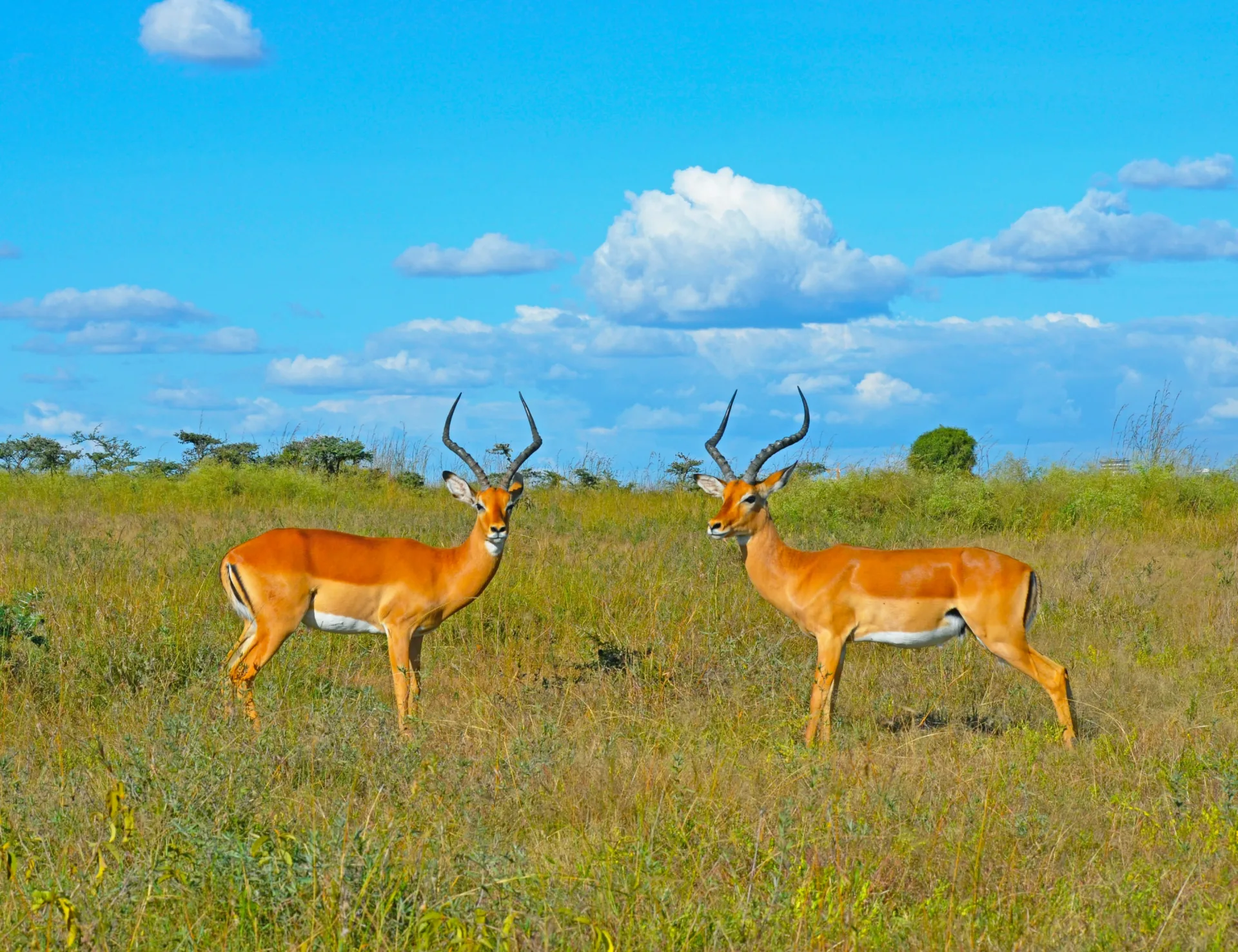
Cross three of Kenya’s contrasting wildlife landscapes in seven days: two nights in Samburu, two at Ol Pejeta and two in the...
3 Day Masai Mara Group Joining Safari from Nairobi
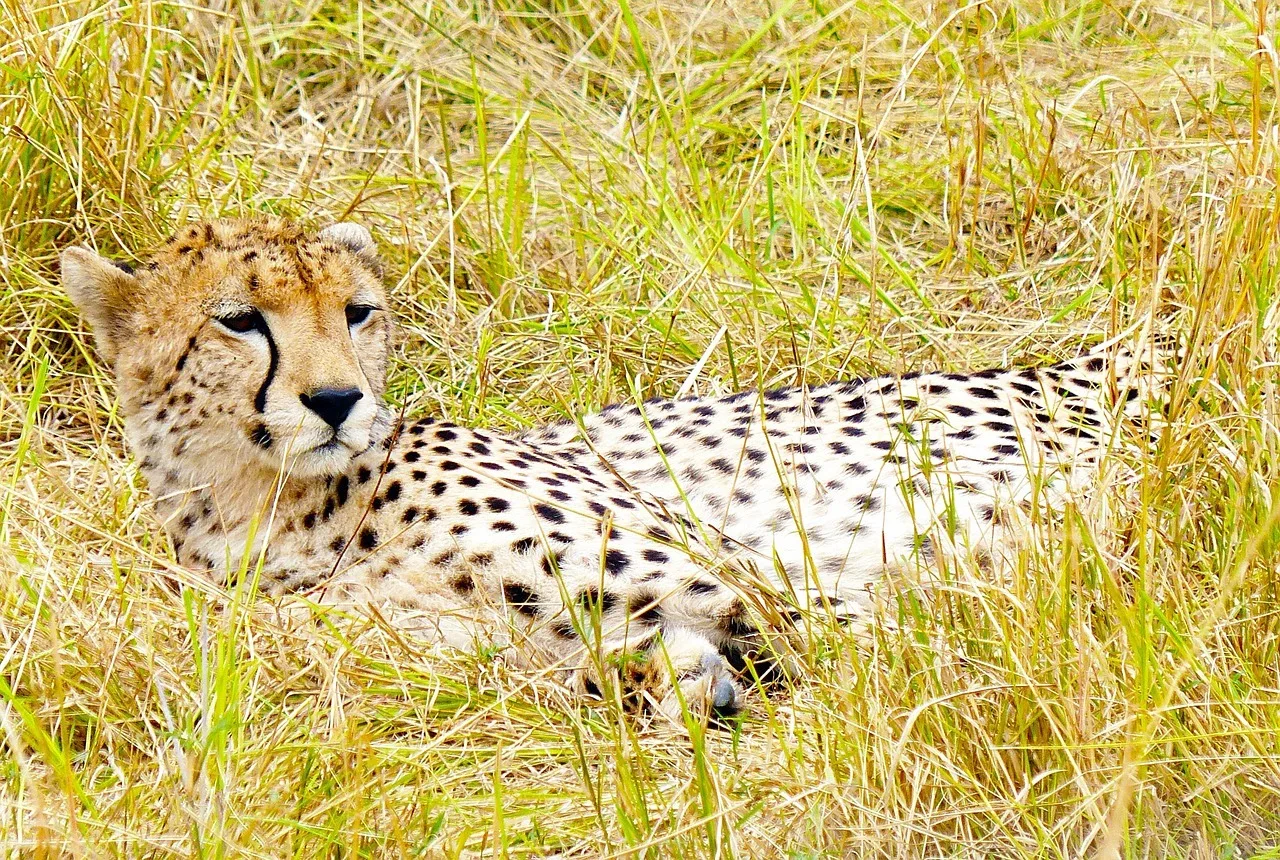
A 3 day Masai Mara group joining safari from Nairobi is designed as a shared-vehicle wildlife journey with two nights in the...
10 Day Luxury Masai Mara Safari and Diani Beach Escape
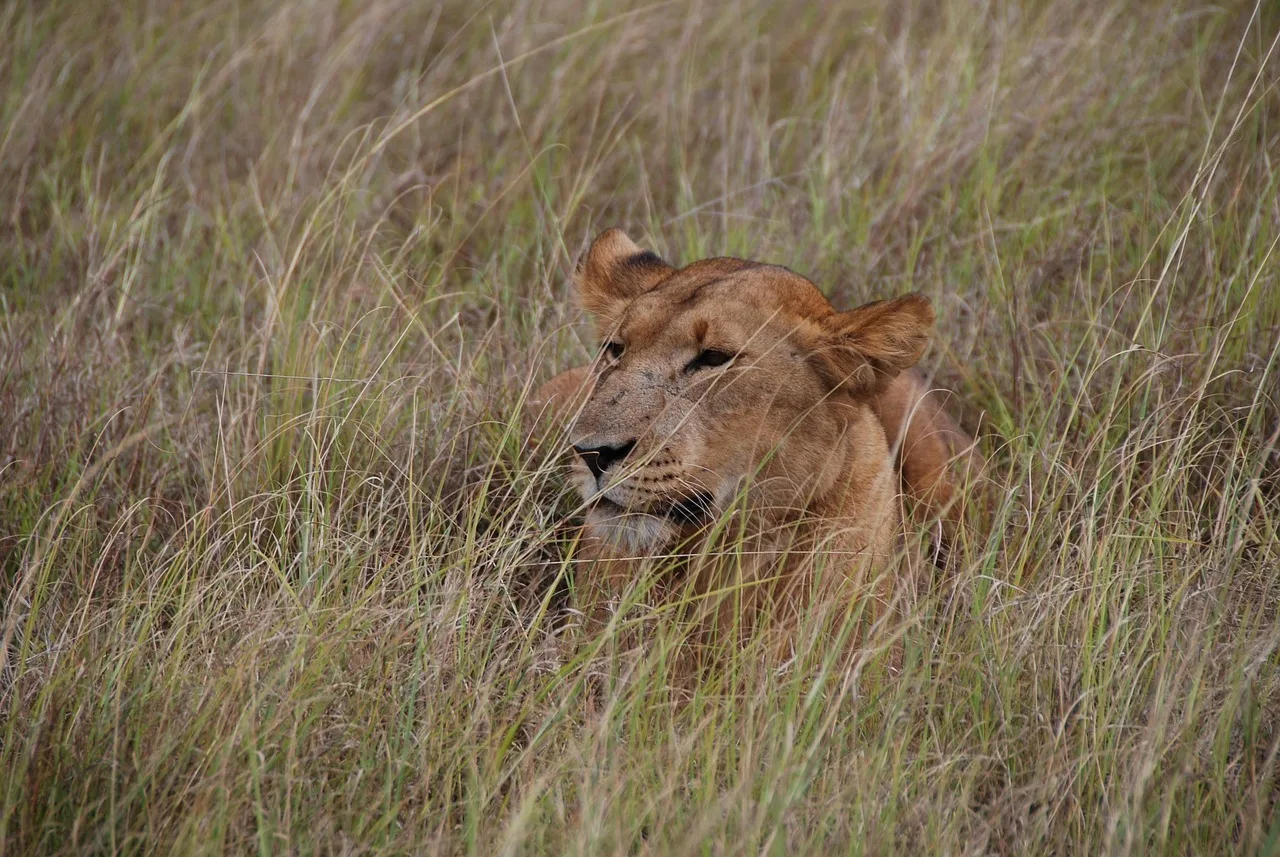
A privately designed ten day luxury bush and beach escape: one relaxed Nairobi arrival night, three nights of Masai Mara wildlife and...
4 Day Masai Mara and Lake Naivasha Private Safari
Experience a private 4 day Masai Mara Lake Naivasha safari from Nairobi with hippo boat rides, walking safaris and big cat game...
5 Day Amboseli, Naivasha and Masai Mara Safari
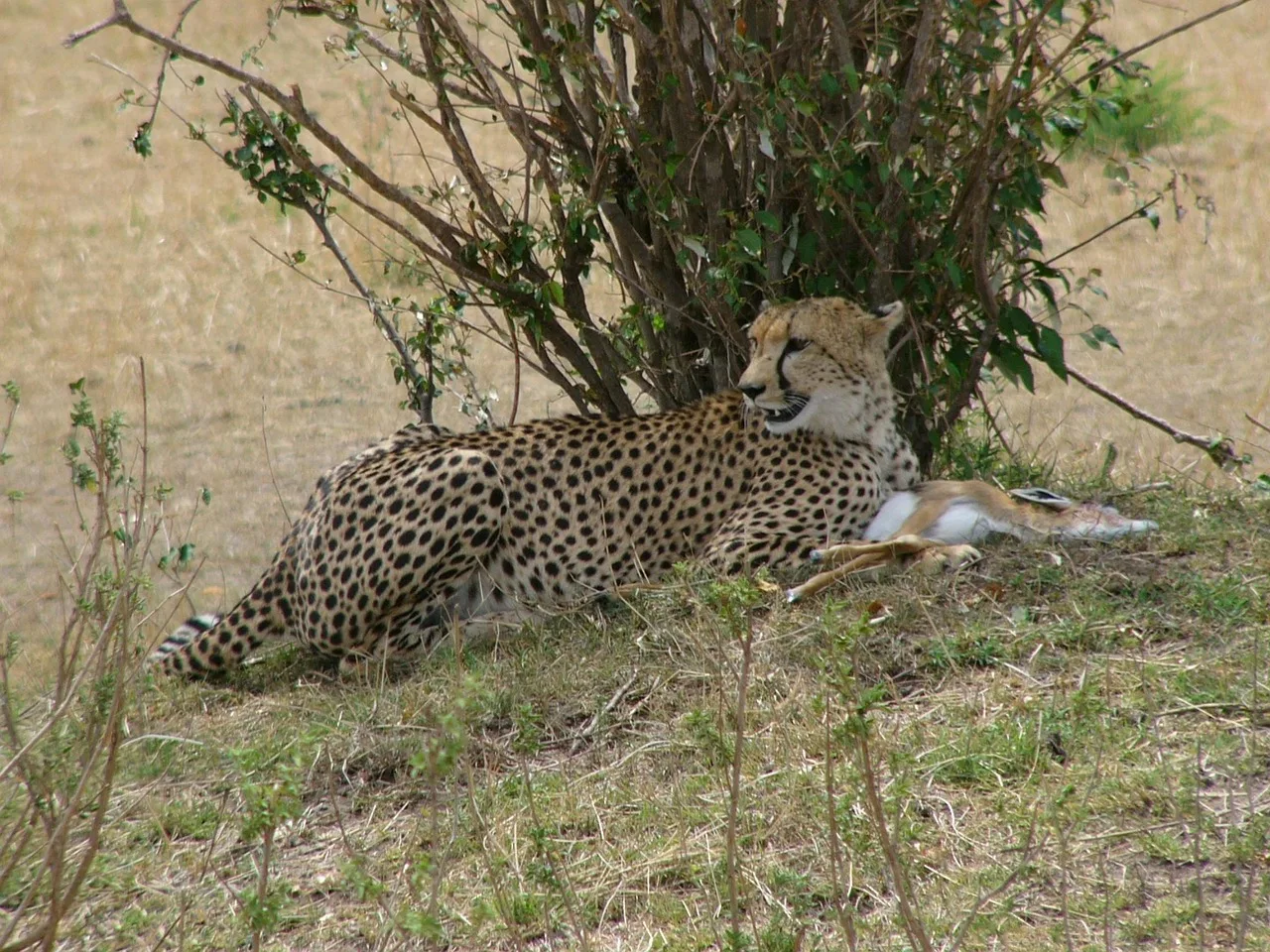
Discover three iconic Kenya regions on a private 5 day Amboseli Naivasha Masai Mara safari from Nairobi. Combine elephant plains, Rift Valley...
Frequently Asked Questions
When is the best month for a Great Migration Kenya safari?
August and September historically offer the highest herd numbers in the Masai Mara, with strong activity often starting in July and extending into October. Exact arrival and departure dates shift each year with regional rainfall.
Can Eventide Safaris guarantee a Mara River crossing?
No. River crossings are spontaneous natural events driven by grazing, weather and herd behaviour. Allowing three to four nights in well-positioned camps maximizes your opportunities while ensuring rich big-cat and plains-game viewing throughout your stay.
How far ahead should we book a Great Migration safari 2027?
Because top camps in the Mara Triangle, Main Reserve and private conservancies sell out early for July–October, booking six to twelve months in advance is strongly advised.
Should we drive or fly to the Masai Mara during migration season?
Flying from Nairobi Wilson Airport takes 45 to 60 minutes and saves driving time for shorter trips (15 kg soft-bag limit applies). Private 4x4 road travel takes 5 to 6 hours and pairs naturally with Lake Naivasha and Lake Nakuru.