
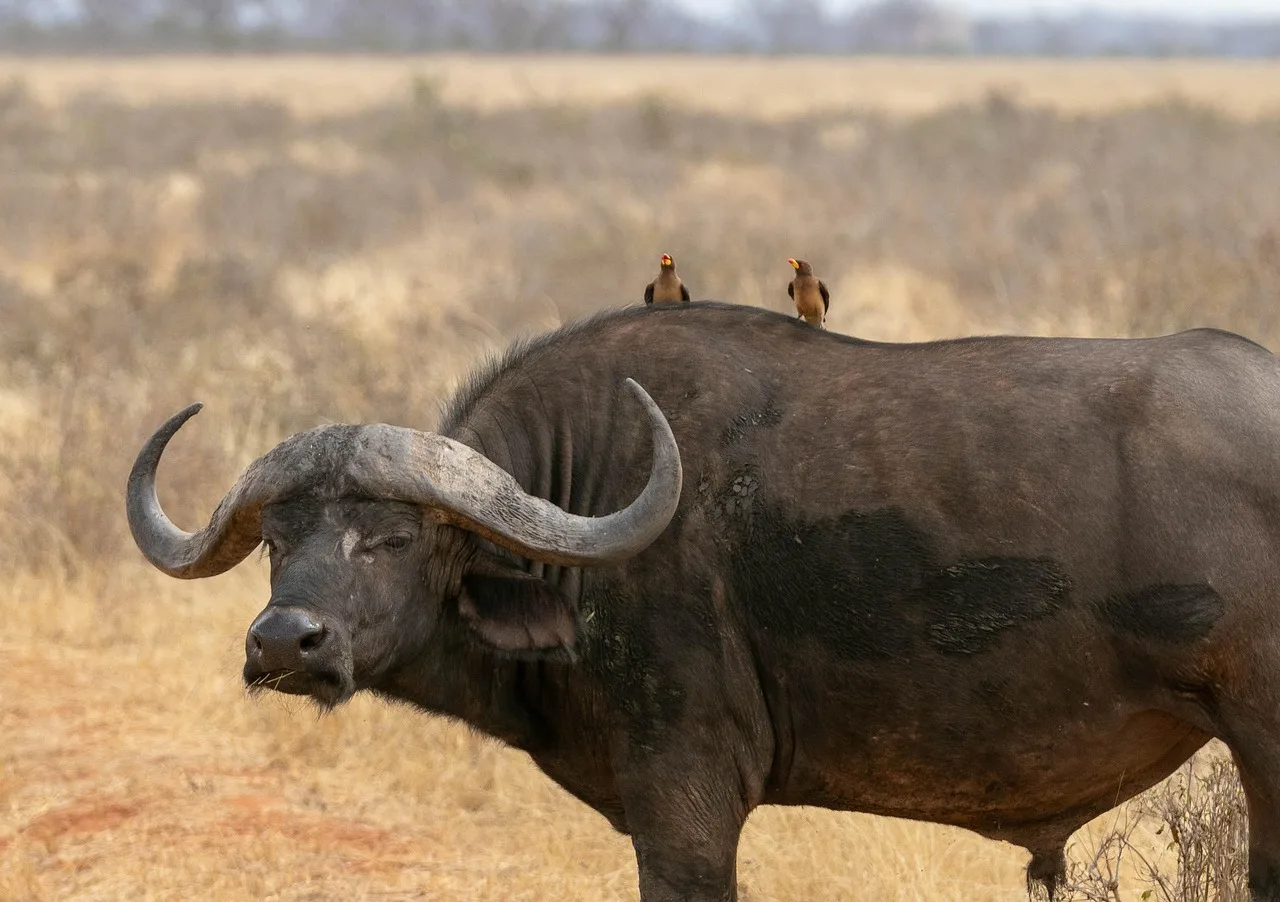
Volcanic terrain, natural springs and dramatic hills
Covering roughly 9,065 square kilometres in southeastern Kenya, Tsavo West National Park delivers a greener, more mountainous wilderness than neighbouring Tsavo East National Park across the Mombasa highway. Here, open savannah gives way to acacia woodlands, rugged granite hills, ancient volcanic cones and dense bushland framed by the Five Sisters Hills and the distant silhouette of Mount Kilimanjaro on clear mornings.
The park's geological landmarks are unmatched in southern Kenya. At Mzima Springs, millions of litres of clear groundwater filtered through the volcanic rock of neighbouring Chyulu Hills National Park emerge into lush palm shaded pools inhabited by hippos, Nile crocodiles and fish, viewed via a short guided nature trail. Nearby, the dark basalt crust of Shetani Lava Flow and Chaimu Crater showcase eruptions from only a few centuries ago, while Roaring Rocks and Poacher's Lookout offer sweeping viewpoints across the plains. In the southwest corner, Lake Jipe straddles the Tanzanian border and provides calm boat birding.
The world's largest rhino sanctuary, wildlife and birding
Tsavo West supports the full Big Five, including African elephant, lion, leopard, Cape buffalo and eastern black rhino, alongside cheetah, African wild dog, lesser kudu, fringe eared oryx, giraffe and critically endangered hirola. Because the bush is thicker than on open grasslands, wildlife viewing feels exploratory and unhurried. More than 600 bird species have been recorded, and the Ngulia escarpment is internationally renowned during November and December as a major flyway for migratory Palaearctic birds, including the threatened corncrake and Basra reed warbler.
In December 2025, Kenya unveiled the expanded Tsavo West Rhino Sanctuary, building on the historic Ngulia Rhino Sanctuary to establish the largest protected rhino sanctuary in the world. Conservation partners including Save the Rhino International and Tsavo Trust work alongside Kenya Wildlife Service (KWS) using modern aerial monitoring to safeguard expanding black rhino populations. Visitors must respect KWS park regulations: gates operate from 6:00 am to 6:00 pm, disposable plastics are prohibited, off road driving is forbidden, the speed limit is 40 km/h and vehicles must stay at least 20 metres from wildlife.
Where to stay in and around Tsavo West
Because Tsavo West covers vast, hilly terrain, staying inside the park or directly at its gates maximizes dawn and dusk viewing around Mzima Springs and the rhino sanctuary. Eventide Safaris can tailor quotations across every comfort level:
- Budget and self catering stays: Kenya Wildlife Service operates public campsites at Kamboyo, Chyulu and Lake Jipe alongside self catering options such as Kamboyo Guest House near Mtito Andei Gate and Lake Jipe Bandas for travellers seeking simple, park based value.
- Midrange lodges and tented camps: Explore our profile of Ngulia Safari Lodge perched on the Ndawe Escarpment overlooking a floodlit waterhole near the rhino sanctuary. On the western boundary, Voyager Ziwani overlooks a private sanctuary dam with views toward Kilimanjaro, while Salt Lick Safari Lodge offers iconic stilted rooms above a waterhole in neighbouring Taita Hills Wildlife Sanctuary.
- Luxury and exclusive tented camps: Consider our guide to Kilaguni Serena Safari Lodge facing a busy waterhole and the Chyulu Hills, the unfenced wellness focused Severin Safari Camp inside Kitani, or Finch Hattons Luxury Tented Camp set beside natural spring pools in the southern park sector.
Combining Tsavo West with Amboseli and the Kenya coast
Plan at least two nights in Tsavo West so you have enough time to explore Mzima Springs, Shetani Lava Flow and the rhino sanctuary without rushing. Tsavo West links directly with Amboseli National Park through Chyulu Gate, pairs seamlessly with Tsavo East National Park, and finishes effortlessly beside the Indian Ocean in Diani Beach or Mombasa. Explore our Kenya bush and beach safaris, safaris from Mombasa, Kenya safari packages or request a private custom itinerary.
What makes this destination special
- Mzima Springs: clear volcanic spring pools fed from the Chyulu Hills, home to hippos, crocodiles, fish and a guided walking trail.
- Tsavo West Rhino Sanctuary: expanded in December 2025 into the world's largest sanctuary dedicated to eastern black rhino conservation.
- Shetani Lava Flow and Chaimu Crater: dramatic black volcanic rock fields and hiking trails ideal for landscape photography.
- Scenic viewpoints: Roaring Rocks, Poacher's Lookout and the Five Sisters Hills offer wide vistas across southern Kenya.
- Prolific birdlife: over 600 recorded bird species, plus renowned November and December bird migration along the Ngulia Hills.
- Lake Jipe and strong routes: calm border lake excursions plus seamless overland links to Amboseli, Tsavo East and the coast.
Best time to visit
Dry seasons from June to October and January to February thin the dense bush for clearer wildlife sightings around waterholes and springs. November and December bring migratory birds to Ngulia Hills and lush volcanic greenery.
How to get there
By road from Nairobi and Mombasa: Located 240 km southeast of Nairobi (roughly 4 to 4.5 hours via the A109 highway) and 250 km northwest of Mombasa (around 4 hours). Primary entry points are Mtito Andei Gate from Nairobi, Tsavo River Gate from Mombasa, and Chyulu Gate when connecting directly from Amboseli National Park. Western access also runs via the Voi to Taveta road through Maktau Gate, Ziwani Gate and Lake Jipe Gate.
By rail (SGR): The Madaraka Express Standard Gauge Railway operates daily between Nairobi Terminus and Mombasa Terminus with a dedicated stop at Mtito Andei Station, where private 4x4 safari transfers meet arriving travellers right outside the park.
By air: Charter and scheduled safari flights from Nairobi Wilson Airport take about 45 to 60 minutes into Kilaguni Airstrip and Finch Hattons Airstrip, with additional airstrips at Kamboyo, Ziwani, Tsavo River, Lake Jipe and Maktau (soft luggage limits typically apply).
Official park information and entry: Confirm current park rules and gate updates on the Kenya Wildlife Service Tsavo West page. Park conservation fees are paid cashlessly through the official KWS eCitizen portal; Eventide Safaris confirms current official tariffs in every written quotation.
Why visit Tsavo West National Park?
Choose Tsavo West National Park for dramatic volcanic scenery, crystal clear Mzima Springs, the world's largest black rhino sanctuary, quiet wilderness lodges and effortless connections between Amboseli, Tsavo East and the Kenya coast.
Where is Tsavo West National Park?
Explore this destination's location in Kenya and the surrounding area.
Where to stay around Tsavo West National Park
Consider different comfort levels and locations when planning this part of Kenya. Every stay is subject to availability and a confirmed quotation.
Compare more accommodation for Tsavo West National ParkSafari itineraries that include Tsavo West National Park
Explore routes that feature this destination, then choose the pace and accommodation that work for your group.
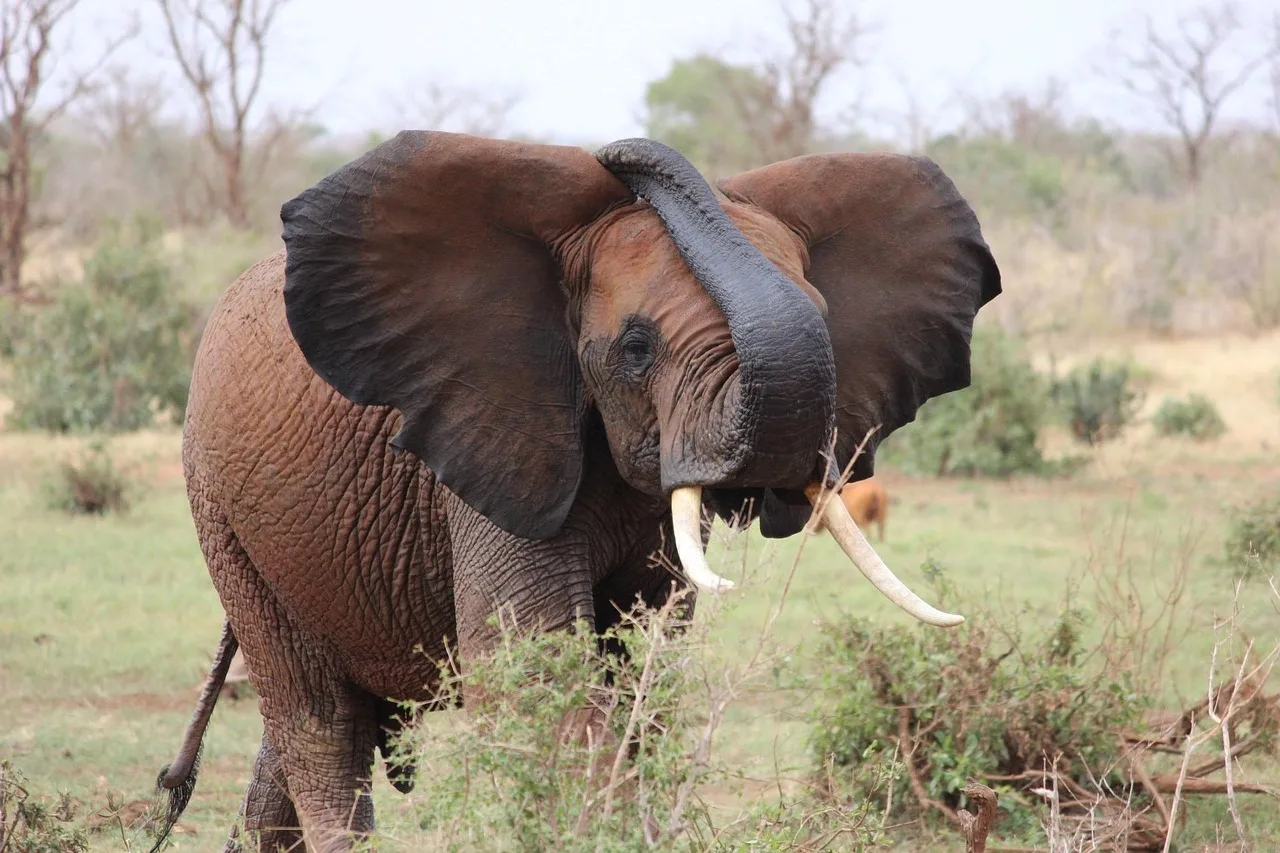
3 Day Tsavo East and Tsavo West Private Safari from Diani
Leave Diani Beach for a three-day private safari through two contrasting Tsavo parks. See the red-earth elephant country of Tsavo East, explore...