
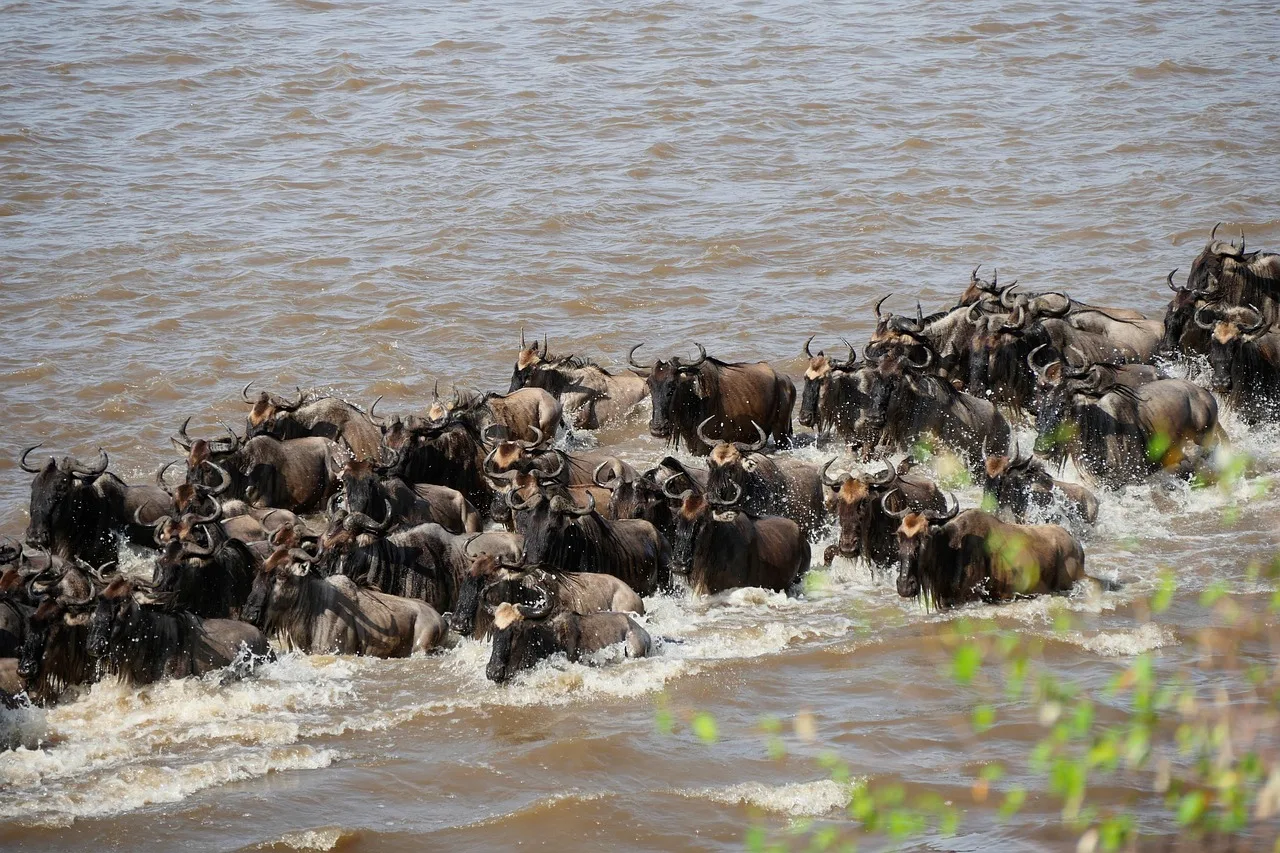
The Great Wildebeest Migration is a seasonal wildlife movement through the wider Serengeti–Mara ecosystem, involving large herds of wildebeest and zebra together with predators and other plains wildlife. In Kenya, the experience centres on the Masai Mara National Reserve and adjoining Mara landscapes.
This is not a single event with a fixed date. Herd location changes with rainfall, grazing and river conditions. Mara Conservancy advises that migration activity in the Mara commonly begins around June or July and can continue into November. River crossings may happen during this period, but they are difficult to predict and can never be scheduled.
A well-planned migration safari therefore focuses on time in the ecosystem rather than promising one dramatic crossing. Multiple game drives create opportunities to photograph massed herds, predator-prey interactions, calves, dust, river landscapes and the wider seasonal ecology.
Eventide Safaris can build the migration into a private road safari, fly-in safari or photography-focused itinerary. Accommodation is selected according to the part of the Mara you want to explore, your travel dates and the balance you prefer between game-drive access and camp comfort.
For current responsible-viewing guidance, see the Mara Conservancy migration guidance.
Highlights of Great Wildebeest Migration
- Seasonal concentrations of wildebeest and zebra in the greater Masai Mara ecosystem.
- Possible Mara River crossings during suitable migration conditions.
- Strong opportunities for lion, cheetah, leopard, hyena and scavenger behaviour.
- Excellent wildlife photography with herds, dust, landscapes and dramatic skies.
- Flexible private game drives that follow current herd information rather than a fixed route.
- Can be combined with ballooning, photography-focused vehicles or a longer Kenya–Tanzania safari.
Practical information and planning notes
Timing: migration activity in the Mara usually begins around June or July and may continue into November, but rainfall can shift the pattern.
Crossings: no operator can guarantee a river crossing. Herds may gather at the river and turn away, cross elsewhere or move on without crossing.
Responsible viewing: vehicles must not block, pressure or chase herds toward a crossing point. Guests remain inside the vehicle except at authorised areas.
Photography: bring a telephoto lens plus a wider lens for large herds and landscapes. Dust protection is useful during dry periods.
Best planning approach: allow more than one game drive in the Mara and choose accommodation with sensible access to the likely seasonal wildlife areas.
Safari itineraries with this experience
Explore published Eventide itineraries that include Great Wildebeest Migration. The exact activities, timing and access are confirmed when planning.
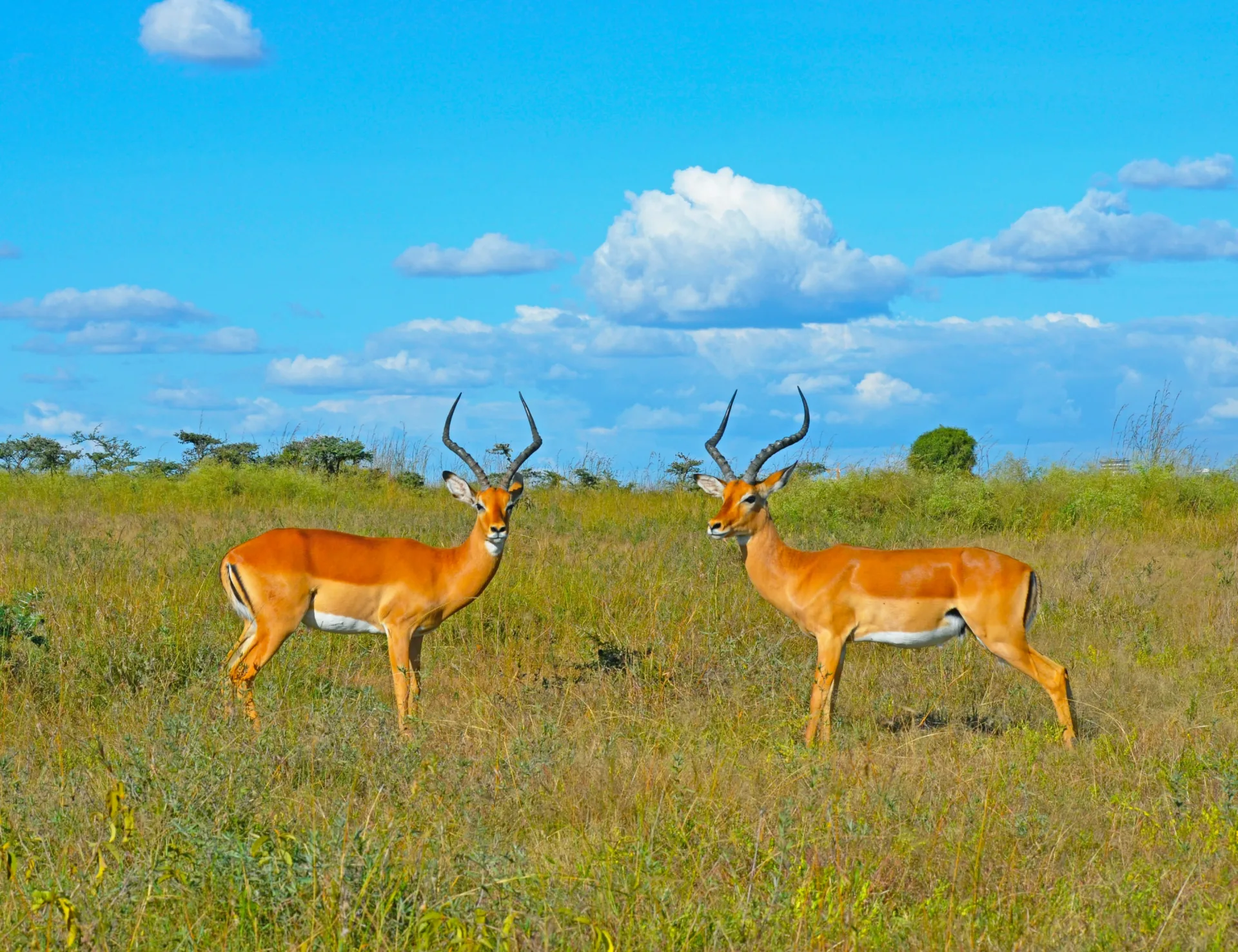
7 Day Samburu, Ol Pejeta and Masai Mara Private Safari
Cross three of Kenya’s contrasting wildlife landscapes in seven days: two nights in Samburu, two at Ol Pejeta and two in the...
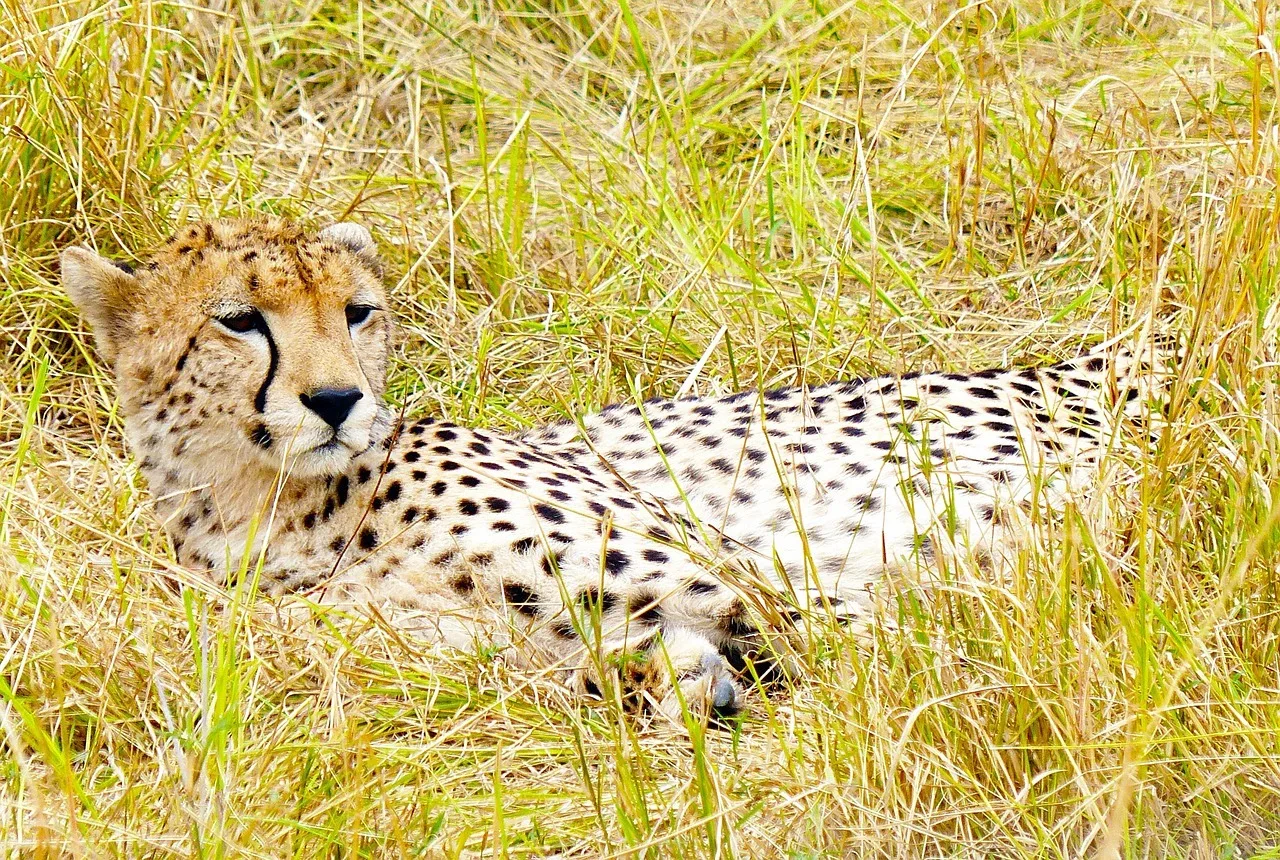
3 Day Masai Mara Group Joining Safari from Nairobi
A 3 day Masai Mara group joining safari from Nairobi is designed as a shared-vehicle wildlife journey with two nights in the...
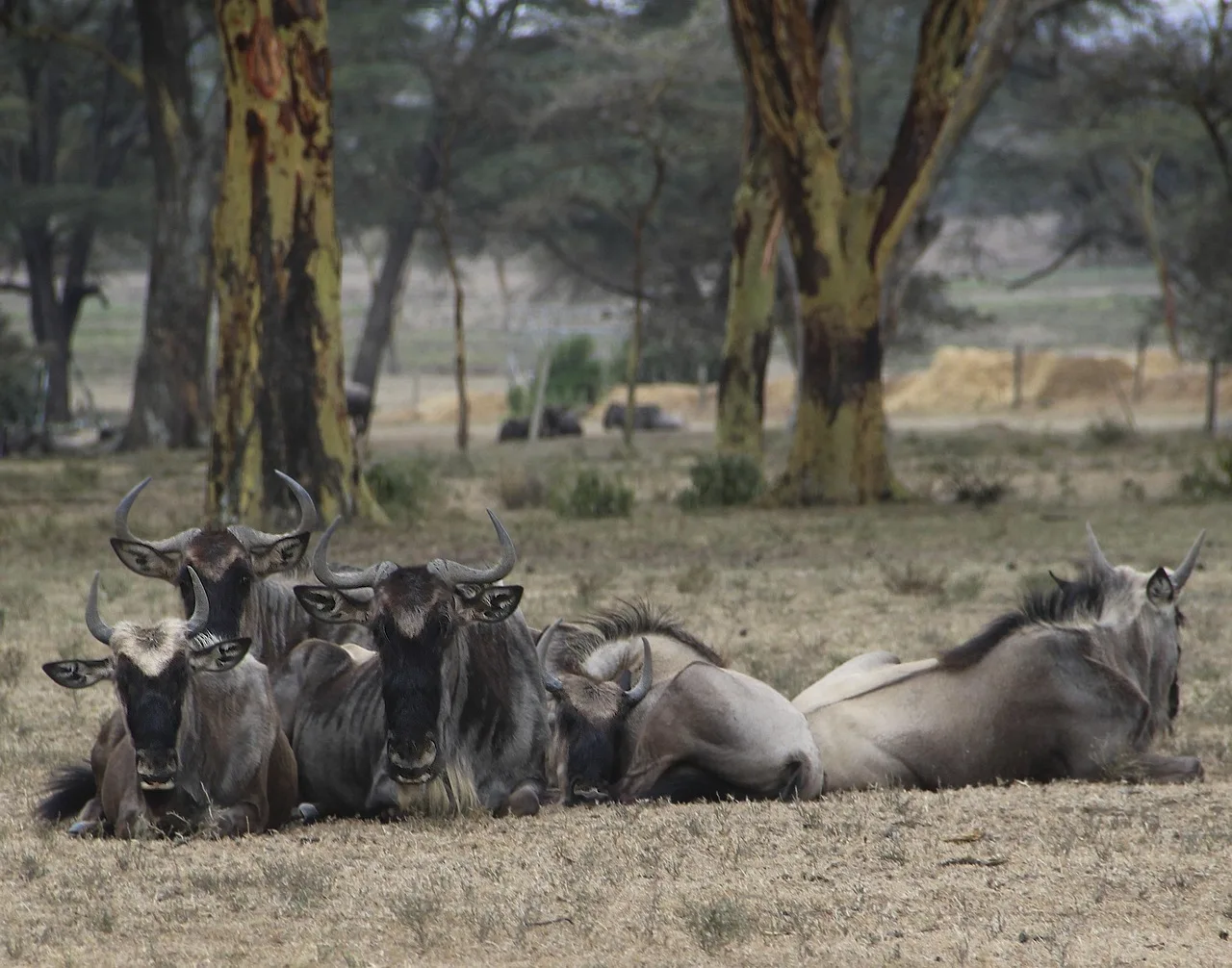
4 Day Masai Mara and Lake Naivasha Private Safari
Experience a private 4 day Masai Mara Lake Naivasha safari from Nairobi with hippo boat rides, walking safaris and big cat game...
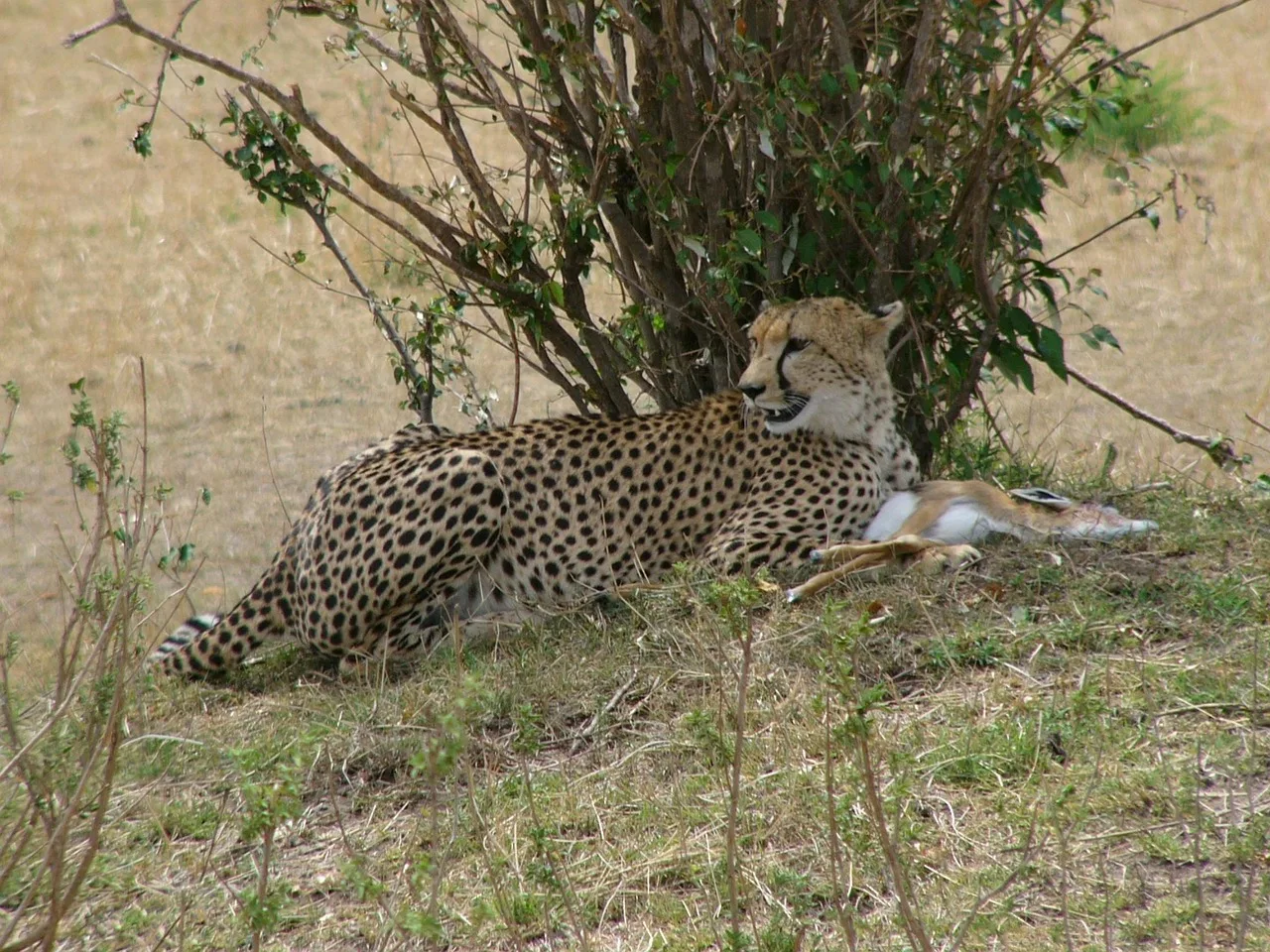
5 Day Amboseli, Naivasha and Masai Mara Safari
Discover three iconic Kenya regions on a private 5 day Amboseli Naivasha Masai Mara safari from Nairobi. Combine elephant plains, Rift Valley...
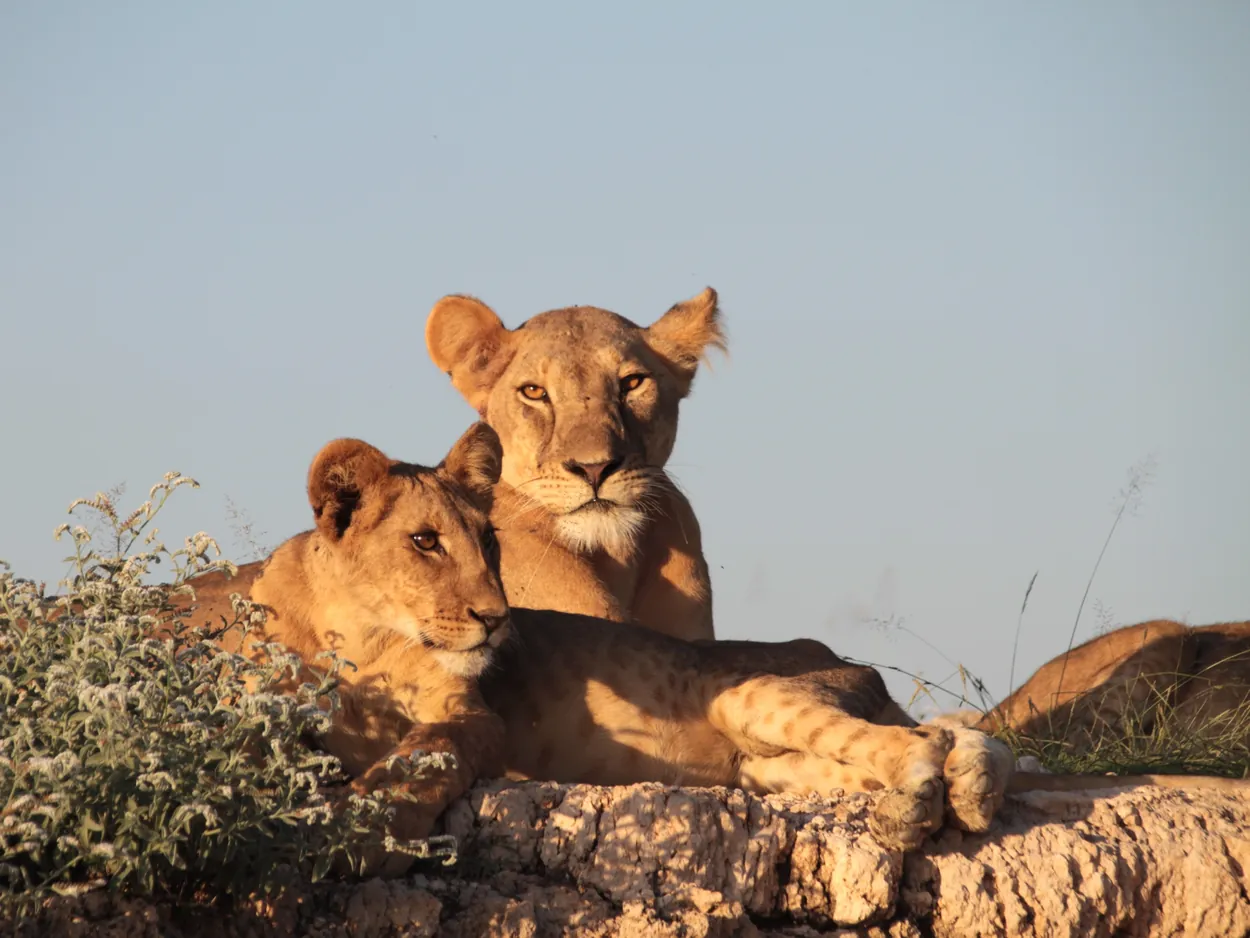
2-Day Maasai Mara Short Wildlife Safari from Nairobi
A fast-paced Mara introduction with a long road transfer, a focused wildlife drive and one night near the reserve.