
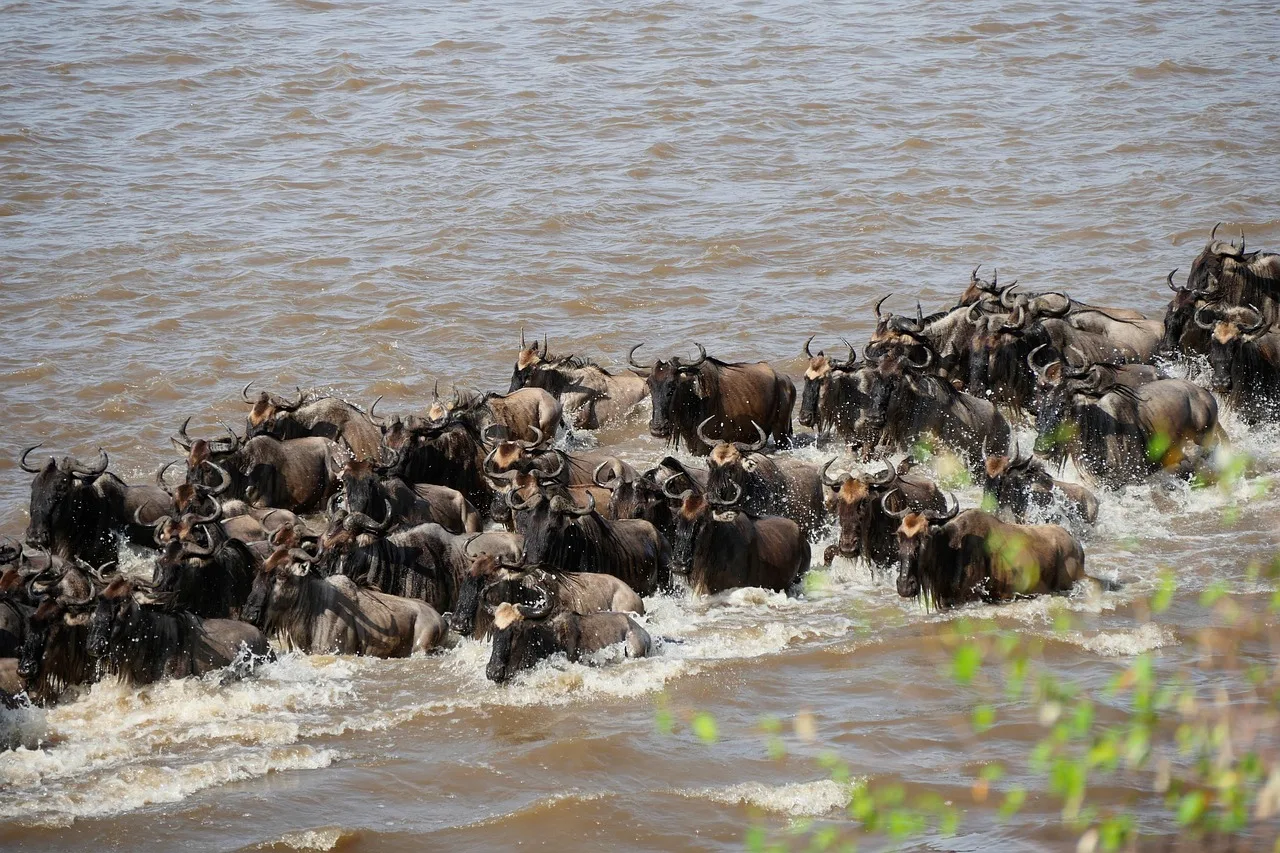
The Great Migration is one of East Africa's most compelling wildlife movements. It is also one of the most misunderstood safari experiences. The animals do not follow a published timetable, and a river crossing cannot be booked for a particular morning. If your 2027 journey is built around migration, the most useful starting point is understanding the movement of herds across the greater Serengeti and Maasai Mara ecosystems.
Our approach at Eventide Safaris is to help travellers appreciate the full experience, from smaller wildlife encounters to the landscapes that support the herds. A thoughtful trip does not rely on a single dramatic moment.
What is the Great Migration?
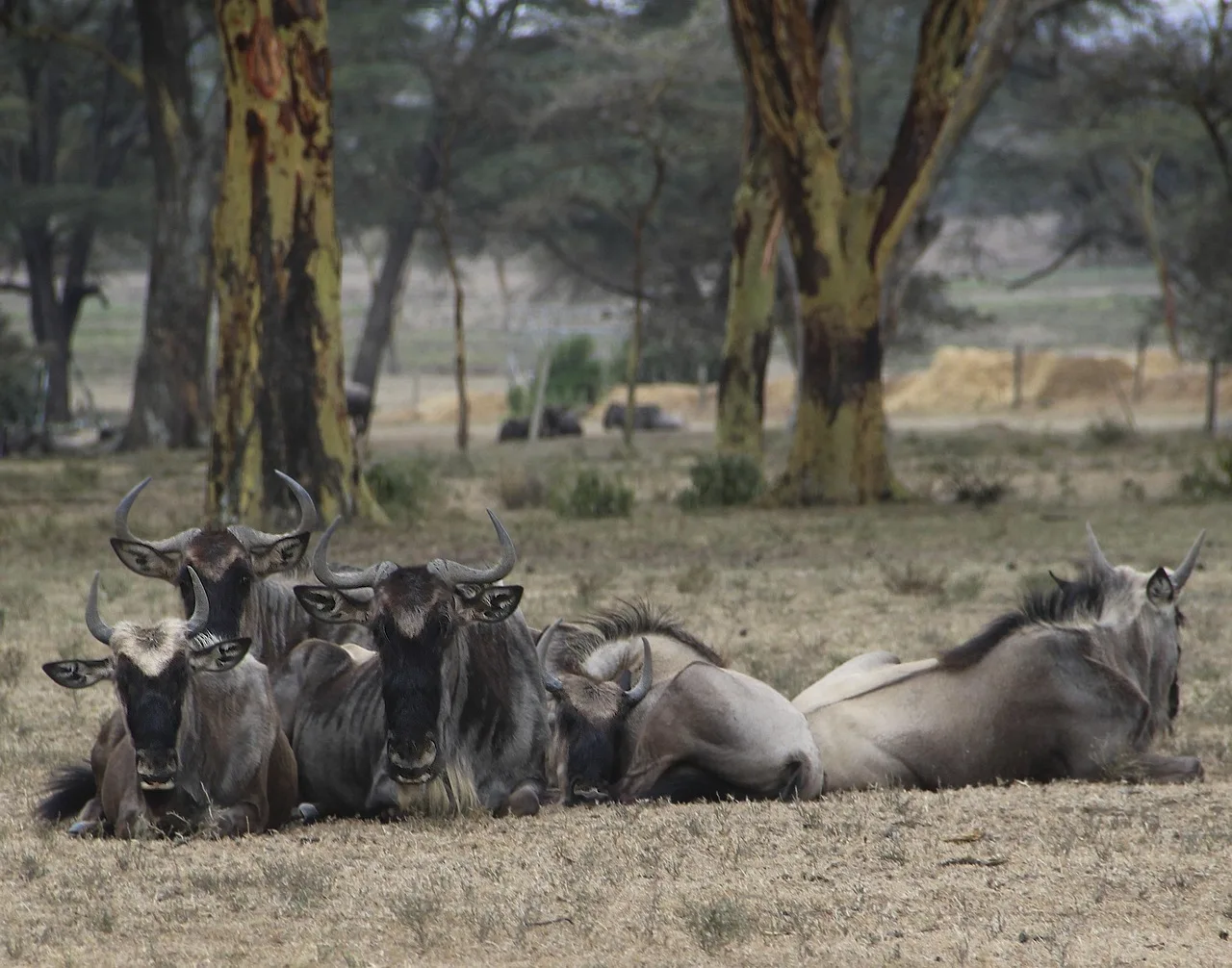
Wildebeest, zebra and other grazing animals move across the Serengeti–Mara ecosystem in response to rainfall, grass and water. The movement is a broad annual cycle rather than a single event. At different times, the herds can be spread over large areas, and their position can change from year to year.
When might the herds be in Kenya in 2027?
Many travellers target roughly July to October for possible sightings of large herds in the Maasai Mara. This is a seasonal planning window, not a confirmed prediction for 2027. A particularly wet or dry period can shift movements, and even during peak travel months individual crossing points may remain quiet.
| Time of year | What to consider |
|---|---|
| June to early July | Conditions are transitioning; herds may be elsewhere in the wider ecosystem |
| July and August | Popular months to plan for Mara migration opportunities, with variable herd positions |
| September and October | Migration activity may continue, but herd movement is never guaranteed |
| Outside this window | Resident wildlife remains a strong reason to visit the Maasai Mara |
Understanding river crossings
Crossings attract attention because of their drama, but the animals may gather, wait, move away or cross unexpectedly. A guide cannot ethically force a crossing or control when it happens. Be prepared to spend time observing the surrounding wildlife rather than crowding a riverbank all day.
Why multiple nights matter
A longer stay increases flexibility when movement is unpredictable and avoids putting unreasonable pressure on one game drive. It also allows time for other wildlife, quiet moments and changing weather. Rather than promising a crossing, ask your safari planner what opportunities and trade-offs a specific location offers.
Where should you stay?
Location matters, but no camp can guarantee the herds will be nearby. Compare camps inside the reserve and in neighbouring conservancies according to access, travel time, guiding quality and your interests. Some conservancies have their own activities and rules, and particular reserve areas may require extra driving or park entry.
Browse our Where to Stay directory for choices across Budget, Mid-Range, Luxury and Ultra-Luxury. We explain how each category supports a different travel style; the labels are planning categories rather than official star ratings.
Responsible migration viewing
Wildlife welfare should come before photography. Never encourage a driver to block animals, crowd an entry point, use a prohibited off-road track or chase a herd. Follow reserve and conservancy rules, keep sensible distances and give wildlife room to move naturally.
For a deeper understanding of conservation and visitor management, consult the Maasai Mara visitor information resources and guidance issued by local reserve authorities.
Building a private migration itinerary
For many travellers, a Kenya itinerary begins with a night in Nairobi before a road or scheduled flight transfer to the Mara. A fly-in journey can reduce driving time, while a road safari offers opportunities to experience more of the Rift Valley. The best choice depends on budget, mobility, baggage restrictions, available airstrips and your wider route.
We suggest reviewing the Great Migration safari experiences alongside private Kenya safaris. If you want additional landscapes, Samburu, Ol Pejeta or Amboseli can complement the Mara without creating a race between parks.
What should a 2027 migration quote include?
- Clear dates, number of nights and specific accommodation choices
- Transport type and the number of game drives or guided activities
- Applicable park or conservancy fees for each traveller category
- Meal plans, drinks, tips and other inclusions or exclusions
- Cancellation and alteration terms before payment
Do not compare safari prices without comparing the details behind them. A lower headline price may represent a different travel season, accommodation location or activity schedule.
Frequently asked questions
Which month guarantees a Mara River crossing?
No month guarantees a crossing. Wildlife and weather are unpredictable even during a typical migration season.
Is the Maasai Mara worth visiting outside migration months?
Yes. The Mara has resident wildlife and memorable scenery outside the busiest months. Whether it is the best destination for your dates depends on your wider interests and safari route.
Can a family enjoy a migration safari?
Yes, provided the schedule fits the children's ages and patience, and accommodation, drives and transfer times are planned carefully. Short, varied activities can be more enjoyable than waiting indefinitely for a crossing.
Planning note: This article describes normal seasonal tendencies, not confirmed 2027 wildlife events. For tailored travel options, explore our Kenya safari packages.
Turn your research into a journey
Browse tailored Kenya safari itineraries and choose the destinations, comfort and pace that matter most to you.
Safari packages related to this guide
7 Day Samburu, Ol Pejeta and Masai Mara Private Safari
Cross three of Kenya’s contrasting wildlife landscapes in seven days: two nights in Samburu, two at Ol Pejeta and two in the...
3 Day Masai Mara Group Joining Safari from Nairobi
A 3 day Masai Mara group joining safari from Nairobi is designed as a shared-vehicle wildlife journey with two nights in the...
10 Day Luxury Masai Mara Safari and Diani Beach Escape
A privately designed ten day luxury bush and beach escape: one relaxed Nairobi arrival night, three nights of Masai Mara wildlife and...
4 Day Masai Mara and Lake Naivasha Private Safari
Experience a private 4 day Masai Mara Lake Naivasha safari from Nairobi with hippo boat rides, walking safaris and big cat game...
5 Day Amboseli, Naivasha and Masai Mara Safari
Discover three iconic Kenya regions on a private 5 day Amboseli Naivasha Masai Mara safari from Nairobi. Combine elephant plains, Rift Valley...
Continue exploring
Kenya vs Tanzania Safari: Complete Guide for First-Time & Repeat Travellers
Weighing a Kenya vs Tanzania safari for your East Africa adventure? Compare signature wildlife parks, Great Migration windows, overall budgets, family logistics...
Masai Mara vs Serengeti: How to Choose the Right Safari
Deciding between Masai Mara vs Serengeti is one of the biggest questions in East African safari planning. Compare Great Migration timing, wildlife...
Kenya Safari with Children: A Practical Family Travel Planning Guide
A practical family safari guide covering ages, drive times, child-friendly accommodation, health preparation and flexible wildlife activities.