
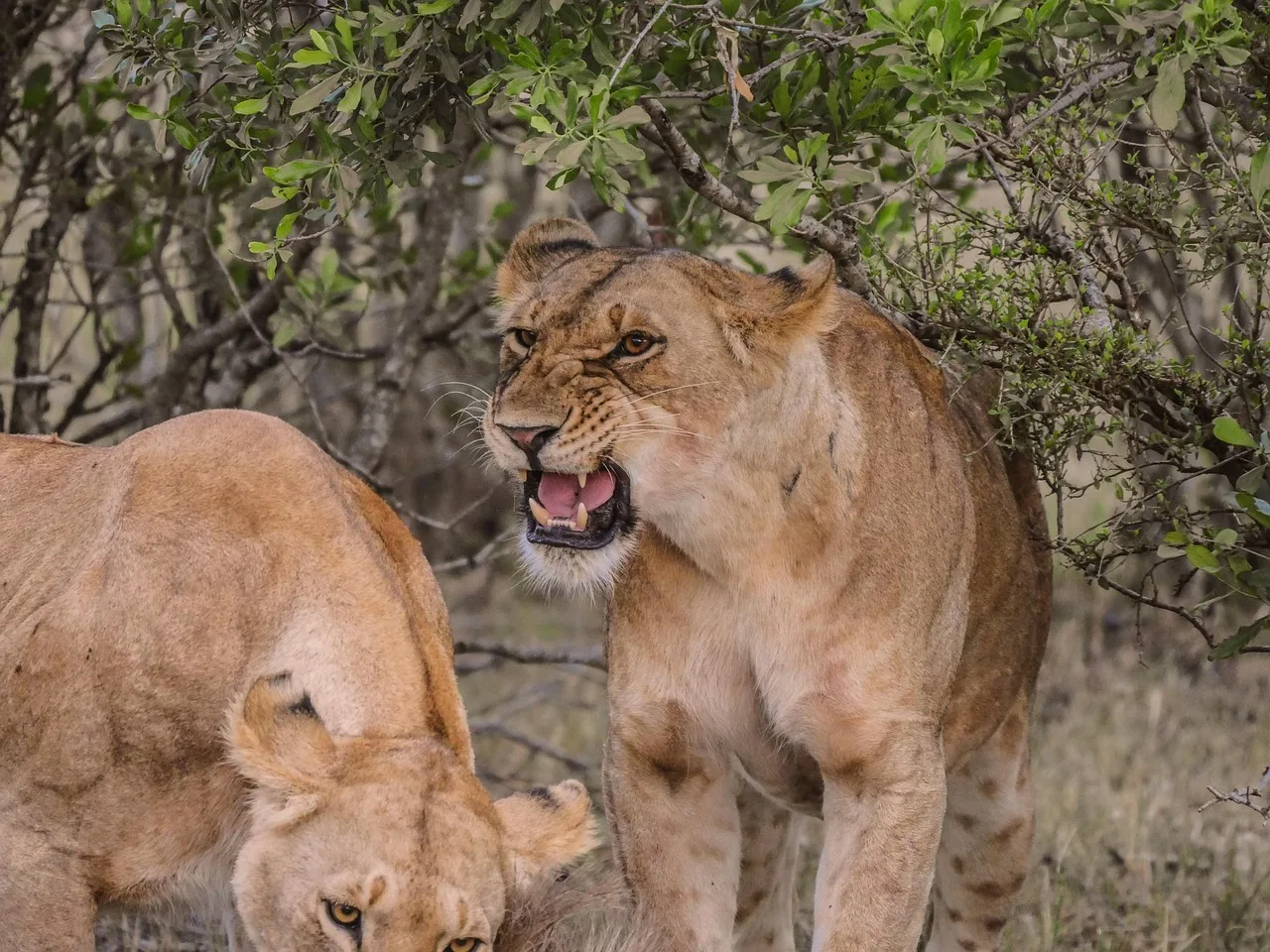
One shared ecosystem, two very different safari experiences
Comparing Masai Mara vs Serengeti surprises many first-time travellers because both reserves belong to one single unfenced ecosystem. Wildlife moves freely across the Kenya–Tanzania border between the two landscapes all year. Yet your daily game-drive rhythm, travel times and overall safari budget feel noticeably different in each reserve.
Kenya's Masai Mara National Reserve covers roughly 1,510 square kilometres in southwestern Kenya, bordered by private community conservancies. Directly south in Tanzania, Serengeti National Park spans roughly 14,763 square kilometres of vast plains, granite kopjes and wooded valleys—nearly ten times larger.
| Planning Factor | Masai Mara (Kenya) | Serengeti (Tanzania) |
|---|---|---|
| Reserve Size | ~1,510 sq km + private conservancies | ~14,763 sq km across 4 distinct sectors |
| Best Migration Months | July to October (Mara River crossings) | Year-round (calving Dec–Mar; west May–Jul; north Jul–Oct) |
| Wildlife Density | Very compact; high big-cat sightings year-round | Exceptional, spread across wider driving zones |
| Access from Hub | 5–6 hrs road or 50-min flight from Nairobi | 7–8+ hrs road or 60–90-min flight from Arusha |
| Ideal Minimum Stay | 3 to 4 nights | 4 to 6 nights (often split across 2 camps) |
| Conservancy Extras | Night drives & walking in bordering conservancies | Strictly regulated inside national park boundaries |
Great Migration timing: Masai Mara vs Serengeti by month
The Great Migration never stops moving, driven entirely by regional rainfall and fresh green grass. Your chosen travel month often settles the Masai Mara vs Serengeti decision immediately.
- December to March (Southern Serengeti): Massive wildebeest herds gather on the short-grass plains of Ndutu and southern Serengeti for calving season.
- April to June (Western Serengeti): Herds push northwest through central Seronera toward the Grumeti River corridor as southern grasslands dry out.
- July to October (Masai Mara & Northern Serengeti): Huge herds cross into Kenya's Masai Mara and move back and forth across the Mara and Talek rivers. River crossings are wild natural events and can never be guaranteed on a specific date.
- November (Southward Return): Short rains draw the herds back into eastern Tanzania toward fresh southern grazing.
Read our detailed Great Migration Masai Mara guide before locking in flights. You can also review our best time to visit Kenya for safari calendar.
Wildlife density, big cats and landscape contrast
Because the Masai Mara is compact, lush and watered by permanent rivers, resident game stays remarkably concentrated every month. Lions, cheetahs, leopards, spotted hyenas, elephants, buffalo, giraffes and topi thrive year-round. Even in January, February or green-season May, a three-night stay delivers rich predator action without long transit drives.
The Serengeti rewards travellers who crave endless horizons and huge wilderness scale. Central Seronera excels for leopards and lions among rocky kopjes. Northern Kogatende and eastern plains offer deep solitude when you have five or more nights to explore multiple regions.
Kenya also offers a major advantage through community-owned private conservancies—such as Mara North, Naboisho and Olare Motorogi—plus the western Mara Triangle managed by Mara Conservancy. Private conservancies cap vehicle numbers strictly. They also allow guided bush walks, night game drives and controlled off-road tracking not permitted inside standard national parks.
Safari costs, park fees and lodge options
In general, a Masai Mara safari offers a wider price ladder and lower total road-safari costs than a comparable northern Tanzania circuit. Shorter driving distances from Nairobi, strong competition across accommodation tiers and flexible road-or-fly combinations keep budgets practical.
In the Mara, you can compare vetted stays across every comfort tier. Options span budget canvas comfort at Ol Moran Tented Camp, midrange AA Lodge Mara, iconic in-reserve Mara Serena Safari Lodge and ultra-luxury Angama Mara. Note that Narok County and Mara Conservancy apply two seasonal fee tiers: lower rates January–June and peak rates July–December. Compare realistic totals in our Kenya safari cost guide.
Access, flight connections and combining both reserves
Reaching the Masai Mara from Nairobi is straightforward. Drive 5 to 6 hours by private 4x4 Land Cruiser—breaking up the road smoothly at Lake Naivasha or Lake Nakuru—or take a 50-minute scheduled flight from Wilson Airport. Reaching the Serengeti from Arusha involves longer overland days via Ngorongoro or pricier light-aircraft hops. Both countries enforce a 15 kg soft-baggage limit on bush flights.
You can visit both reserves in one holiday if you have 10 to 12 days and a flexible budget. Overland travellers connect via the Isebania border crossing and switch vehicles at the frontier. Fly-in guests connect via scheduled flights linking Mara airstrips, Migori and Tarime.
Which reserve fits your trip—and Kenya packages to explore
Choose the Masai Mara for 3-to-8-day trips, July–October migration travel, private conservancy night drives or an easy beach finale on Diani Beach. Choose the Serengeti for January–March calving or a longer 7-to-10-day expedition across vast plains.
- 4-Day Masai Mara and Lake Naivasha Private Safari — compact Rift Valley and big-cat road circuit.
- 5-Day Amboseli, Naivasha and Masai Mara Safari — Kilimanjaro elephants paired with Mara plains.
- 7-Day Samburu, Ol Pejeta and Masai Mara Safari — northern wildlife, rhinos and big cats.
- 10-Day Luxury Mara and Diani Beach Safari — bush-and-beach finale by scheduled flight.
Need help weighing your travel month? Contact Eventide Safaris for an honest written comparison tailored to your dates.
Frequently Asked Questions: Masai Mara vs Serengeti
Is the Masai Mara or Serengeti better for seeing the Big Five?
Both reserves host lion, leopard, African elephant and Cape buffalo reliably, while black rhinos remain rare in both. On a Kenya safari, pairing the Masai Mara with Ol Pejeta Conservancy or Lake Nakuru National Park makes spotting both black and white rhinos far easier.
Which is cheaper: a Masai Mara safari or a Serengeti safari?
A Masai Mara safari is usually more affordable for 3-to-7-day trips. Shorter road transfers from Nairobi and a wider ladder of budget to luxury camps help control costs compared with higher cumulative Serengeti park and transit fees.
When is the best time to see the Great Migration in the Masai Mara vs Serengeti?
Visit the Masai Mara between July and October for peak herds and potential Mara River crossings. Visit the southern Serengeti between January and March for calving, or western Serengeti from May to early July.
Is the Masai Mara more crowded than the Serengeti?
Peak river-crossing points in the eastern Main Reserve can get busy in August and September, just like central Seronera in Tanzania. Staying in the western Mara Triangle or a bordering private conservancy gives you quieter, uncrowded game drives.
Can you drive straight from the Masai Mara into the Serengeti?
No direct tourist vehicle crossing exists inside the reserve boundary. Overland travellers exit to the Isebania/Sirari border post (4 to 6 hours depending on camp location) and switch to a Tanzania-registered 4x4, or fly via Migori and Tarime.
How many nights do I need in the Masai Mara?
Three nights is the ideal minimum for a relaxed Masai Mara safari. Four nights during July–October migration season lets you explore multiple plains, river corridors and optional sunrise hot-air ballooning without rushing.
Turn your research into a journey
Browse tailored Kenya safari itineraries and choose the destinations, comfort and pace that matter most to you.
Continue exploring
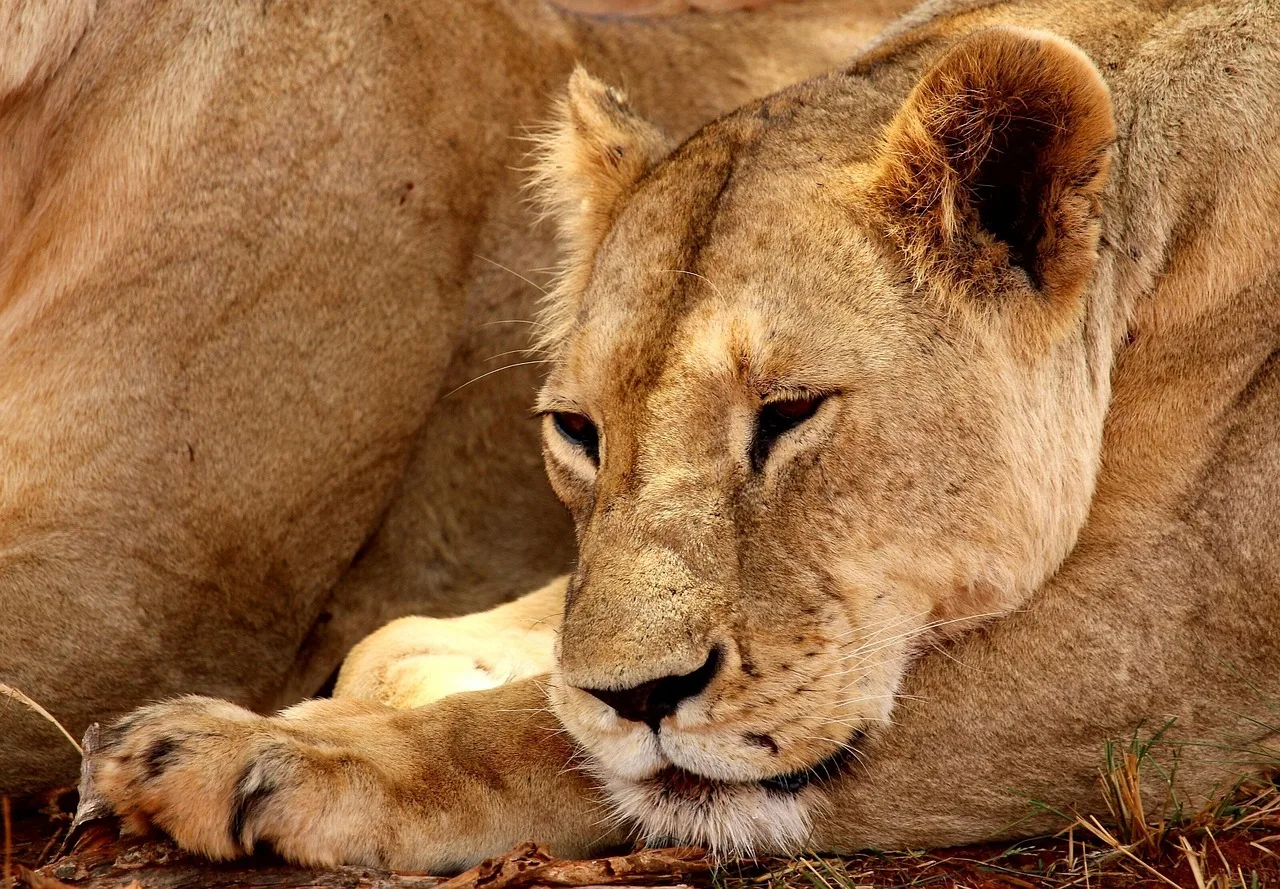
Kenya vs Tanzania Safari: Complete Guide for First-Time & Repeat Travellers
Weighing a Kenya vs Tanzania safari for your East Africa adventure? Compare signature wildlife parks, Great Migration windows, overall budgets, family logistics...
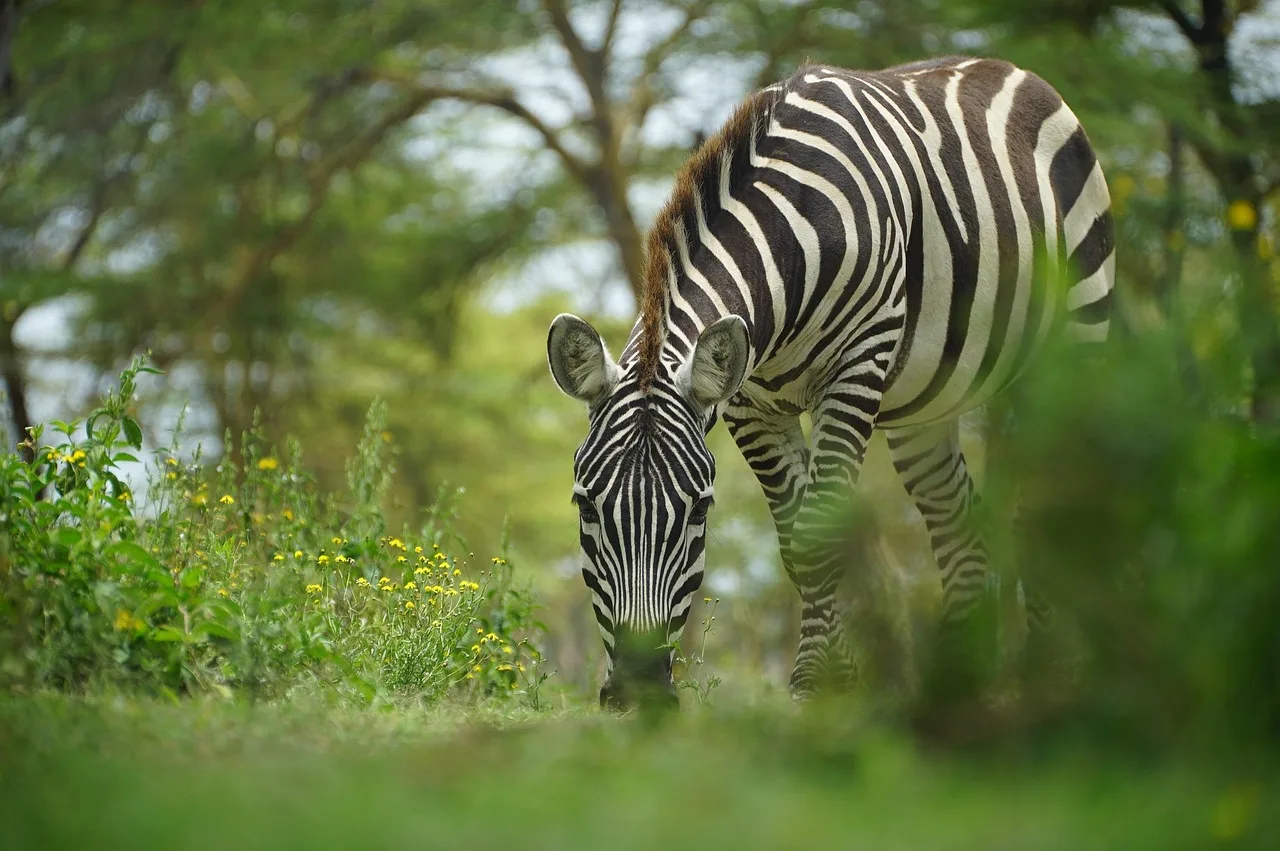
Kenya Safari with Children: A Practical Family Travel Planning Guide
A practical family safari guide covering ages, drive times, child-friendly accommodation, health preparation and flexible wildlife activities.
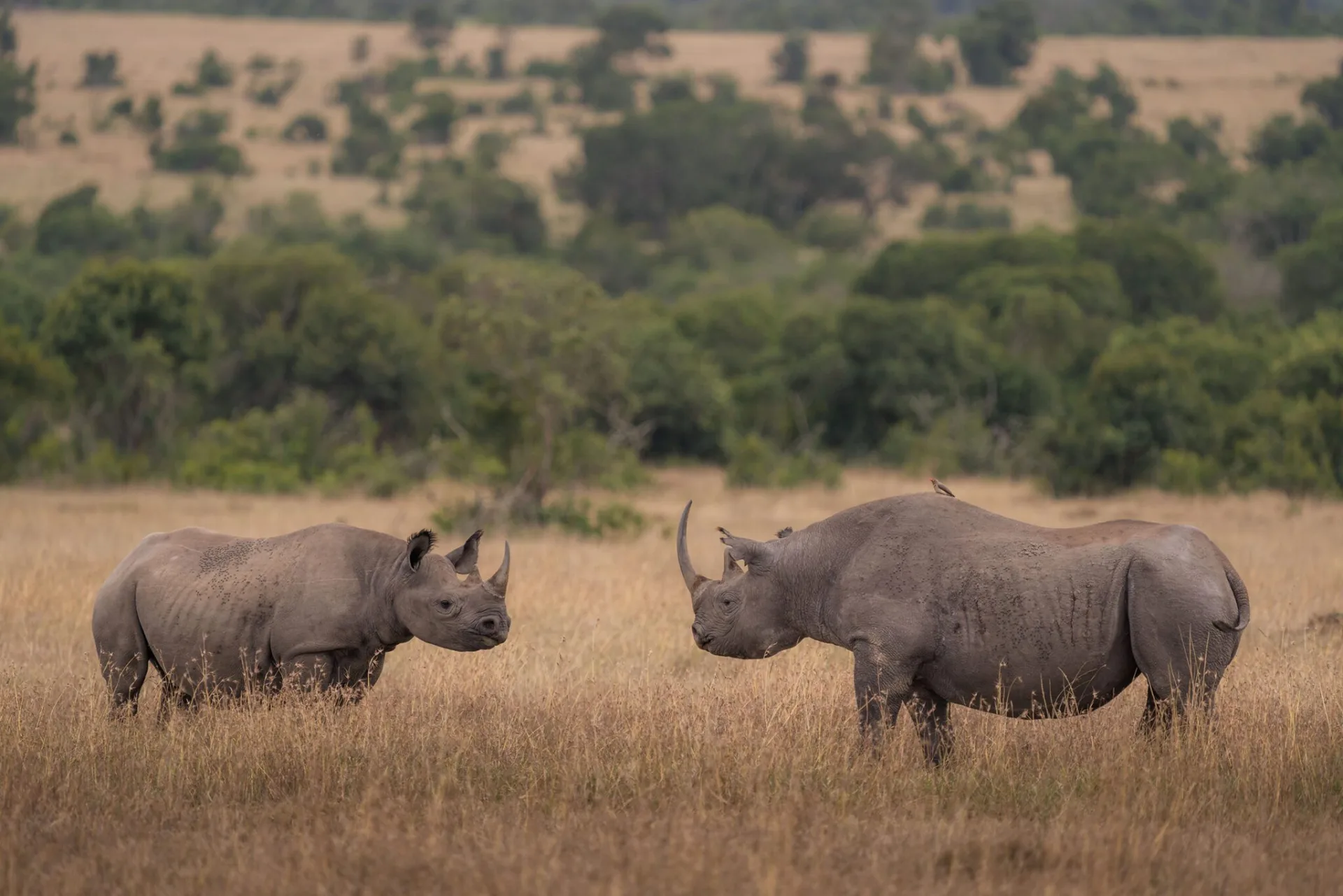
Kenya Safari Packing List: What to Bring in Every Season
An organized Kenya safari packing checklist for different seasons, road and fly-in safaris, cameras and personal essentials.