
Packing for a Kenya safari is easier when you think about the rhythm of the journey. You may be leaving the lodge early in the morning, travelling through warm lowlands in the afternoon and returning to a cooler highland area later in the week. Clothing that works in layers is generally more useful than packing a separate outfit for every activity.
The best packing list also depends on the destinations you visit, your accommodation style and whether any domestic flights have baggage restrictions. At Eventide Safaris, we encourage travellers to pack for comfort and flexibility rather than trying to copy a single universal safari wardrobe.
Safari clothing essentials
- Breathable shirts and long-sleeved layers for sun protection and cooler mornings.
- Comfortable trousers or lightweight travel pants that are easy to move in.
- A fleece, sweater or light insulated layer for early starts and higher elevations.
- A lightweight rain jacket, particularly when travelling in wetter periods.
- Comfortable closed shoes, with extra footwear suitable for your accommodation.
- A wide-brimmed hat and sunglasses.
- Sleepwear, underwear and any personal clothing you would normally need.
Neutral, practical colours often work well for game drives and photography. There is no need to purchase a completely new wardrobe unless an activity or property specifies a particular requirement. For walking activities, check the operator's advice about footwear, clothing and permitted colours.
What belongs in your day bag?
A compact day bag can hold essentials without creating clutter in the vehicle. Consider reusable water containers, sun protection, personal medications, a small notebook, tissues, a camera or binoculars, and a waterproof cover for electronic equipment. Use a secure pouch for important documents and cash rather than leaving valuables visible.
If you enjoy photography, bring spare batteries or a power bank appropriate to your equipment, memory cards and suitable cleaning materials. Charging options vary between lodges. Ask in advance if you rely on particular plug types or multiple devices.
Travel documents and health items
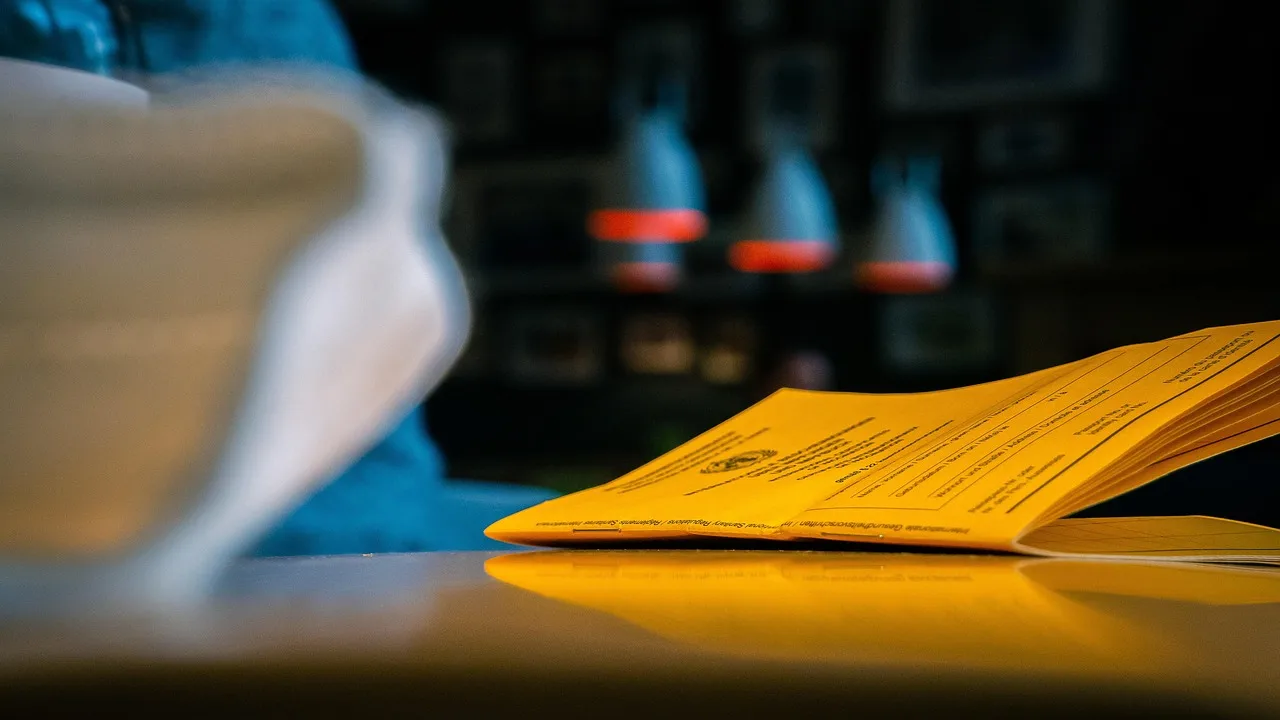
Before leaving, check passport validity, entry authorization requirements, travel insurance, confirmation documents and emergency contact details. Use Kenya's official electronic travel authorization website for current eTA requirements and exemptions. Requirements may change, and approval is not something a safari operator should guarantee.
Bring prescribed medicines in suitable packaging. Seek personalized medical advice about vaccinations, malaria prevention and any other health considerations based on your itinerary. A small personal first-aid kit may be useful, but it is not a substitute for medical preparation.
How the season changes your packing
| Travel conditions | Useful additions |
|---|---|
| Cool early mornings | Warm outer layer, socks and something comfortable for long drives |
| Rainy periods | Lightweight rainwear, waterproof pouch and a bag cover |
| Warm afternoons | Sun protection, breathable fabrics and adequate hydration |
| Beach extension | Appropriate swimwear, light coastal clothing and beach footwear |
For a broader overview of weather patterns and travel timing, read our Kenya safari seasons guide. Forecasts nearer to departure should come from the Kenya Meteorological Department and local travel providers.
What changes for fly-in safaris?
Small-aircraft itineraries can have stricter baggage rules than international flights. There may be restrictions on dimensions, weight and bag construction. Check these with the specific aviation provider before you pack, rather than relying on a generic allowance. If you carry medical devices, specialist equipment or large camera lenses, advise your operator early.
What about family travel?
Families may wish to carry age-appropriate sun protection, snacks permitted by the airline and accommodation, a familiar quiet activity, and essential medications. Keep a change of clothes within reach on days with longer transfers. Our family safari guide covers daily pacing and lodge questions in more detail.
Items worth leaving behind
Avoid bringing unnecessary valuables or very bulky luggage that may be inconvenient to move between camps. Wildlife viewing does not require expensive specialist clothing. Drones and other equipment may be subject to restrictions or permits, so never assume they can be used in a park or conservancy without authorization.
Final checklist before departure
- Confirm entry documents and insurance.
- Verify weather and baggage allowances for each transport segment.
- Check luggage, camera and charging arrangements with the accommodation.
- Pack medications and essential documents where you can access them.
- Make sure the clothing you bring suits the planned activities.
A thoughtful packing plan leaves you free to focus on the experience. If you are combining different environments, compare the Kenya itineraries and the accommodation styles before finalizing your luggage.
Turn your research into a journey
Browse tailored Kenya safari itineraries and choose the destinations, comfort and pace that matter most to you.
Continue exploring
Kenya vs Tanzania Safari: Complete Guide for First-Time & Repeat Travellers
Weighing a Kenya vs Tanzania safari for your East Africa adventure? Compare signature wildlife parks, Great Migration windows, overall budgets, family logistics...
Masai Mara vs Serengeti: How to Choose the Right Safari
Deciding between Masai Mara vs Serengeti is one of the biggest questions in East African safari planning. Compare Great Migration timing, wildlife...
Kenya Safari with Children: A Practical Family Travel Planning Guide
A practical family safari guide covering ages, drive times, child-friendly accommodation, health preparation and flexible wildlife activities.