
Nairobi is a practical starting point for a private Kenya safari. It connects travellers with the country's major road networks and domestic flight routes, but that does not mean every wildlife destination is a short drive away. A well-designed itinerary looks at the distance between parks, the time spent on actual game drives, the needs of the travellers and the arrival schedule.
At Eventide Safaris, our planning approach begins with an honest question: how much of your holiday do you want to spend travelling between places, and how much do you want to spend enjoying them? The answer should shape your choice of destinations before anyone selects lodges or commits to a daily timetable.
Start with your arrival and departure plans
If you arrive at Jomo Kenyatta International Airport after an overnight flight, a same-day long road transfer might not be the best beginning. A night in Nairobi can give you time to settle, meet your safari guide and confirm the next day's departure. Some visitors prefer an introductory excursion near the city, but arrangements depend on opening hours, access rules and available booking slots.
For a short visit, consider concentrating on one park instead of trying to cover several. For longer journeys, a carefully chosen circuit can reduce unnecessary backtracking. The Kenya safari packages page is a starting point for comparing different durations, not a fixed instruction to travel on a particular route.
Popular routes departing Nairobi
Nairobi and Amboseli
Amboseli is appealing to travellers interested in elephants, broad plains and views towards Mount Kilimanjaro when conditions are clear. A private visit works better when you allow time for game drives rather than squeezing arrival, activities and departure into a single rushed day. The park entrance and the location of your accommodation also affect the actual travel schedule.
Nairobi, Lake Naivasha and the Maasai Mara
This is a popular contrast of Rift Valley scenery and open savannah. Lake Naivasha can provide a change of pace between long wildlife drives, while the Maasai Mara deserves enough nights for more than one morning and afternoon in the field. A route that appears efficient on a map may still involve slow road sections and entry formalities.
Nairobi, Ol Pejeta and Samburu
The northern circuit is useful for travellers who want different habitats and conservation settings. Ol Pejeta offers a conservancy-focused stop; Samburu introduces distinctive dry-country scenery and wildlife. Because the route crosses landscapes with different road conditions, the itinerary needs realistic transfer planning and a lodge location that suits your preferred activities.
Road safari or fly-in safari?
A road safari offers opportunities to see how the landscape changes and can be effective for certain multi-stop circuits. A fly-in safari may reduce some longer road transfers, though it introduces flight schedules, luggage limitations, airstrip transfers and possible weather-related changes. Neither approach is automatically the best for every traveller.
Families, older guests, photographers and people travelling with mobility considerations may value different combinations. If a specific airstrip is being considered, verify that the selected camp offers transfers and that the flight operates on the requested dates.
Choose a route by the time you actually have
| Time available | Planning approach | Watch for |
|---|---|---|
| 2–3 days | One primary wildlife destination or a focused short excursion | Long transfer times relative to game-viewing hours |
| 4–6 days | One or two areas with enough time for repeat game drives | Changing hotels too frequently |
| 7–10 days | A contrasting circuit such as savannah, Rift Valley and conservancy | Backtracking and unrealistic daily activities |
| 10+ days | Slower travel, additional conservancies or a coast extension | Too many stopovers in one itinerary |
Accommodation changes the journey
Two camps in the same destination can have very different positions relative to the park gate, conservancy entrance, airstrip or planned game-drive area. Before selecting a stay, ask where the daily activities begin, whether meals are included and how transfers are organized. Browse our Where to Stay collection as a starting point and verify each property's arrangements for your travel dates.
What about the route map?
For individual Eventide itineraries, the route illustration belongs on that safari's own page. It is created in Google My Maps after the stops and directions have been checked. It is a helpful overview, not a guarantee of exact drive times, open roads or wildlife sightings. The written daily itinerary remains the authoritative planning outline until final arrangements are confirmed.
Questions worth asking before you book
- How many hours of road travel are planned on each day, excluding stops?
- What changes if a flight is delayed or a park road becomes inaccessible?
- Which game drives are included, and are they shared or private?
- Is the quoted accommodation inside the reserve, in a conservancy or outside an entrance?
- What is included in the final written quotation?
Plan with room for the unexpected
Wildlife experiences benefit from flexibility. A quiet afternoon may lead to an exceptional sighting the next morning, and changing weather can alter the best activity. If you prefer privacy, start with private Kenya safaris. If you are still deciding how long to travel, explore our safari itineraries and tell us the pace you enjoy.
Planning note: Park access requirements and conservation fees may change. Confirm current conditions with the relevant protected-area authority and your safari operator before departure.
Turn your research into a journey
Browse tailored Kenya safari itineraries and choose the destinations, comfort and pace that matter most to you.
Safari packages related to this guide
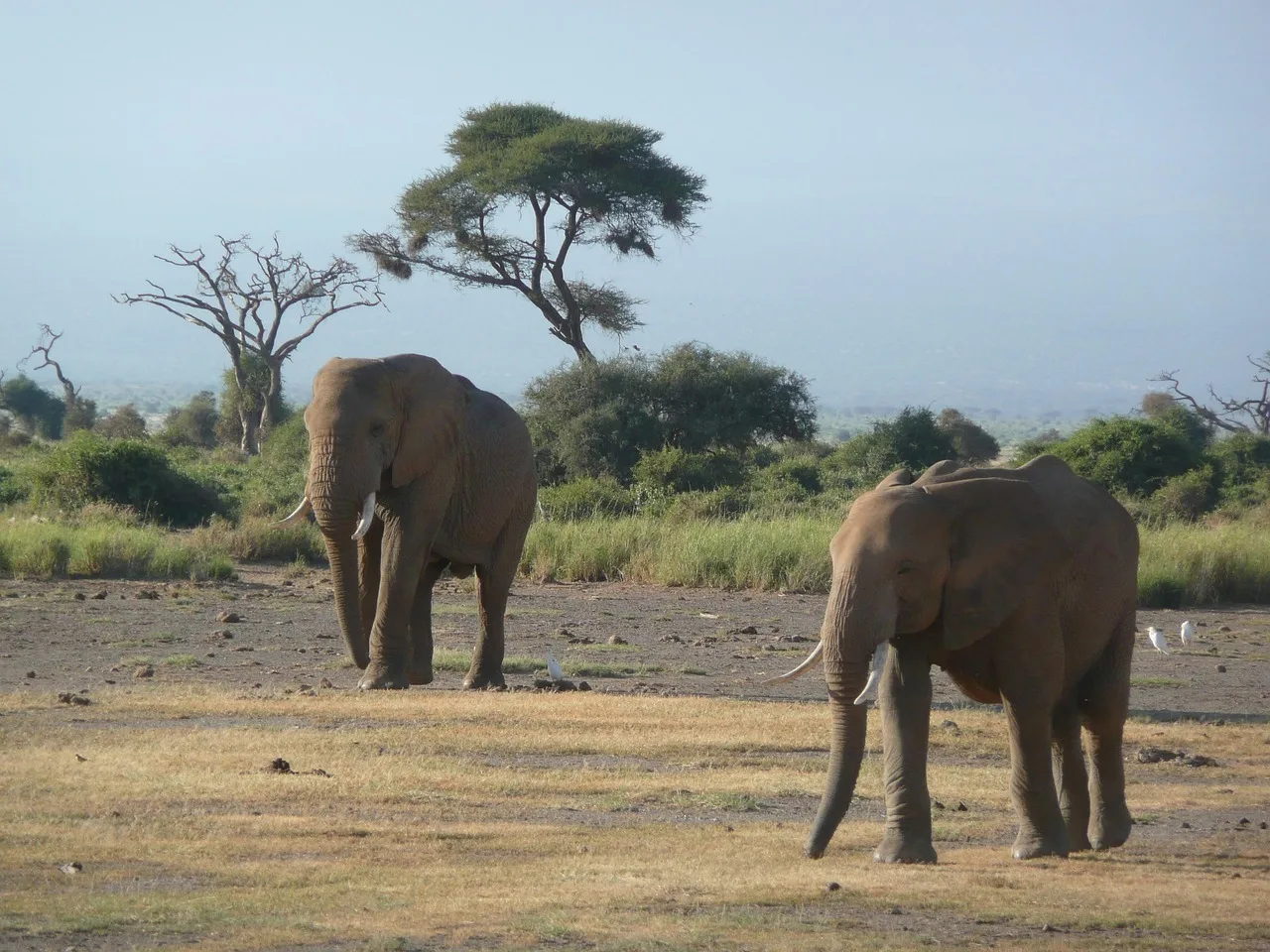
Amboseli Elephant Wildlife Day Safari from Nairobi
An Amboseli day safari from Nairobi is a demanding full-day road trip to Kenya’s famous elephant country, with open plains and possible...
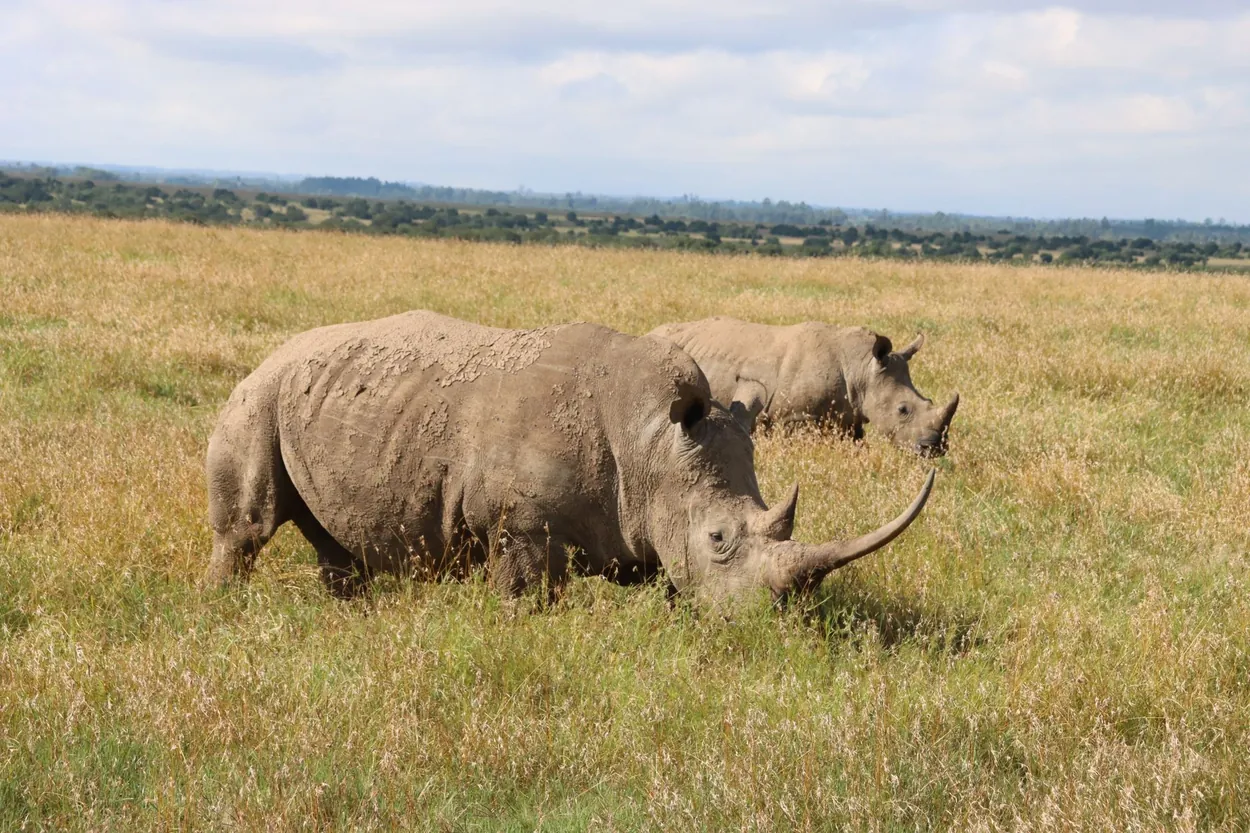
2 Day Ol Pejeta Safari from Nairobi: Rhino Conservation
A 2 day Ol Pejeta safari from Nairobi offers a full overnight in Laikipia, rhino-focused wildlife viewing and a flexible conservation programme....
6 Day Samburu and Ol Pejeta Private Conservation Safari
Spend six days on a private 4x4 safari from Nairobi, with three nights by Samburu’s Ewaso Nyiro River and two nights at...
Lake Nakuru, Lake Naivasha and Crescent Island Day Safari
A Lake Nakuru and Naivasha day safari from Nairobi combines a focused rhino game drive in Lake Nakuru National Park with Lake...
7 Day Samburu, Ol Pejeta and Masai Mara Private Safari
Cross three of Kenya’s contrasting wildlife landscapes in seven days: two nights in Samburu, two at Ol Pejeta and two in the...
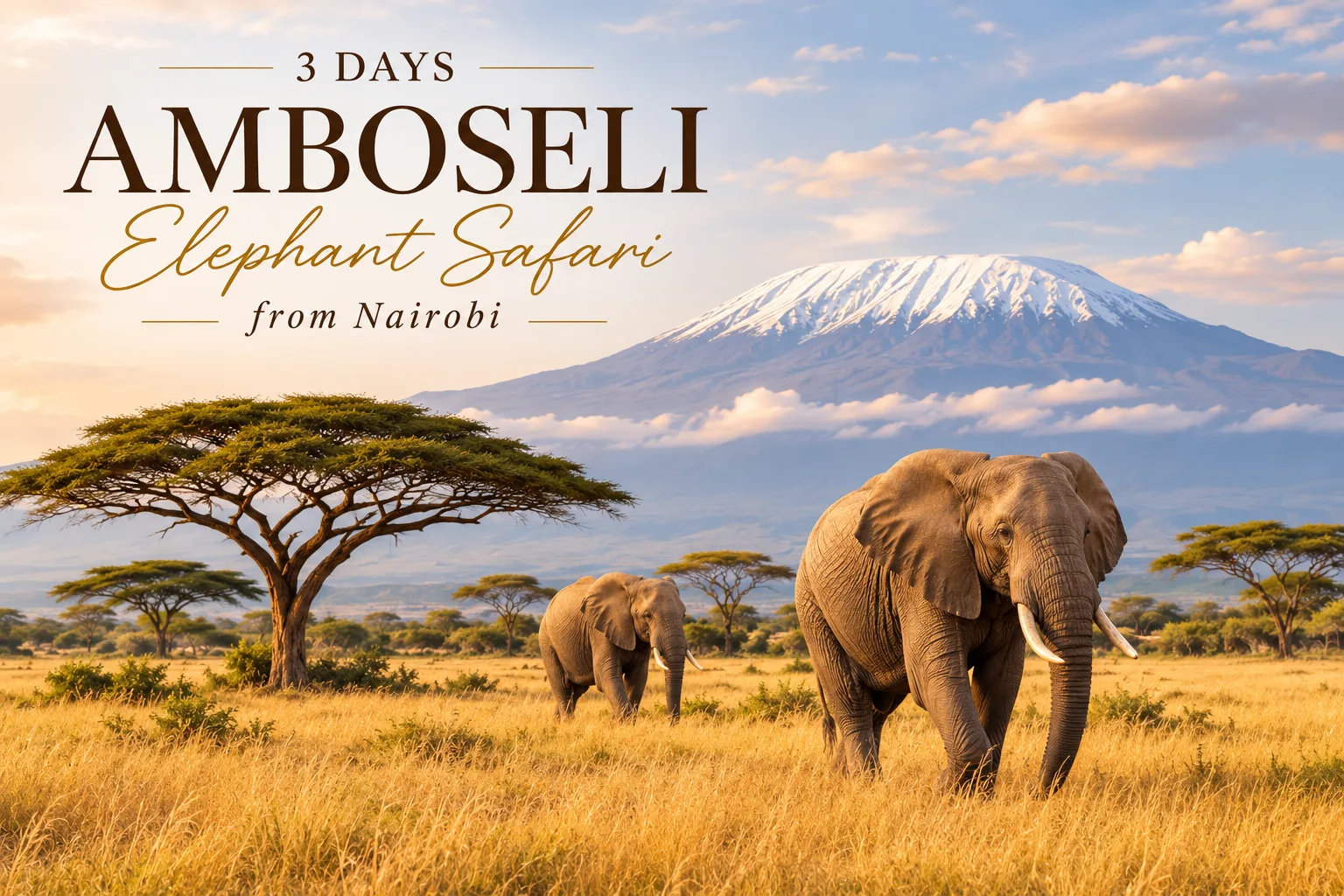
3 Day Amboseli Elephant Safari from Nairobi
Enjoy a private 3 day Amboseli safari from Nairobi with two full nights beneath Mount Kilimanjaro, close elephant herds and 4x4 game...
3 Day Masai Mara Group Joining Safari from Nairobi
A 3 day Masai Mara group joining safari from Nairobi is designed as a shared-vehicle wildlife journey with two nights in the...
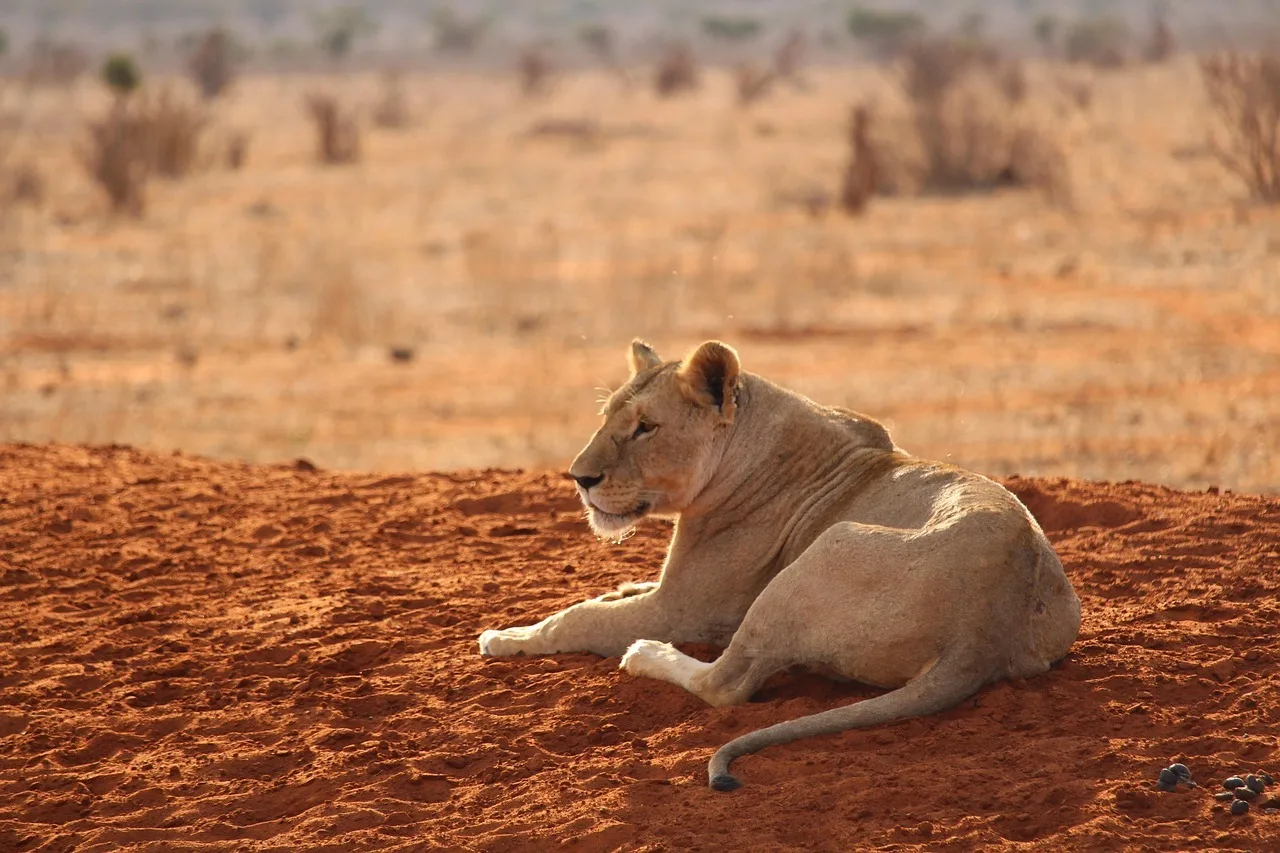
2 Day Tsavo East Private Safari from Diani Beach
Escape Diani Beach for one night in the Tsavo East wilderness on a private 2-day road safari. Enjoy red-elephant country, broad savannah,...
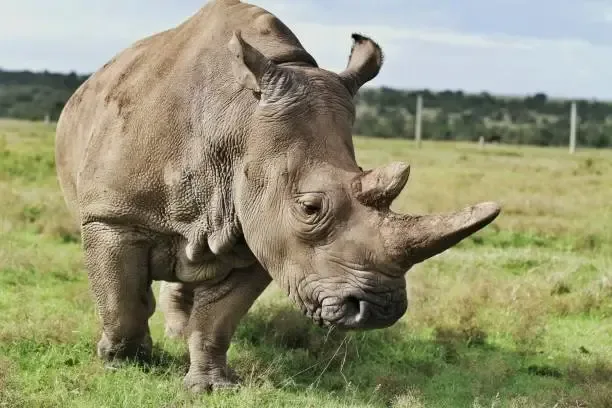
8 Day Private Kenya Family Safari: Ol Pejeta, Naivasha and Masai Mara
A thoughtfully paced eight day private family safari in Kenya with one Nairobi night, two nights at Ol Pejeta, a lakeside Naivasha...
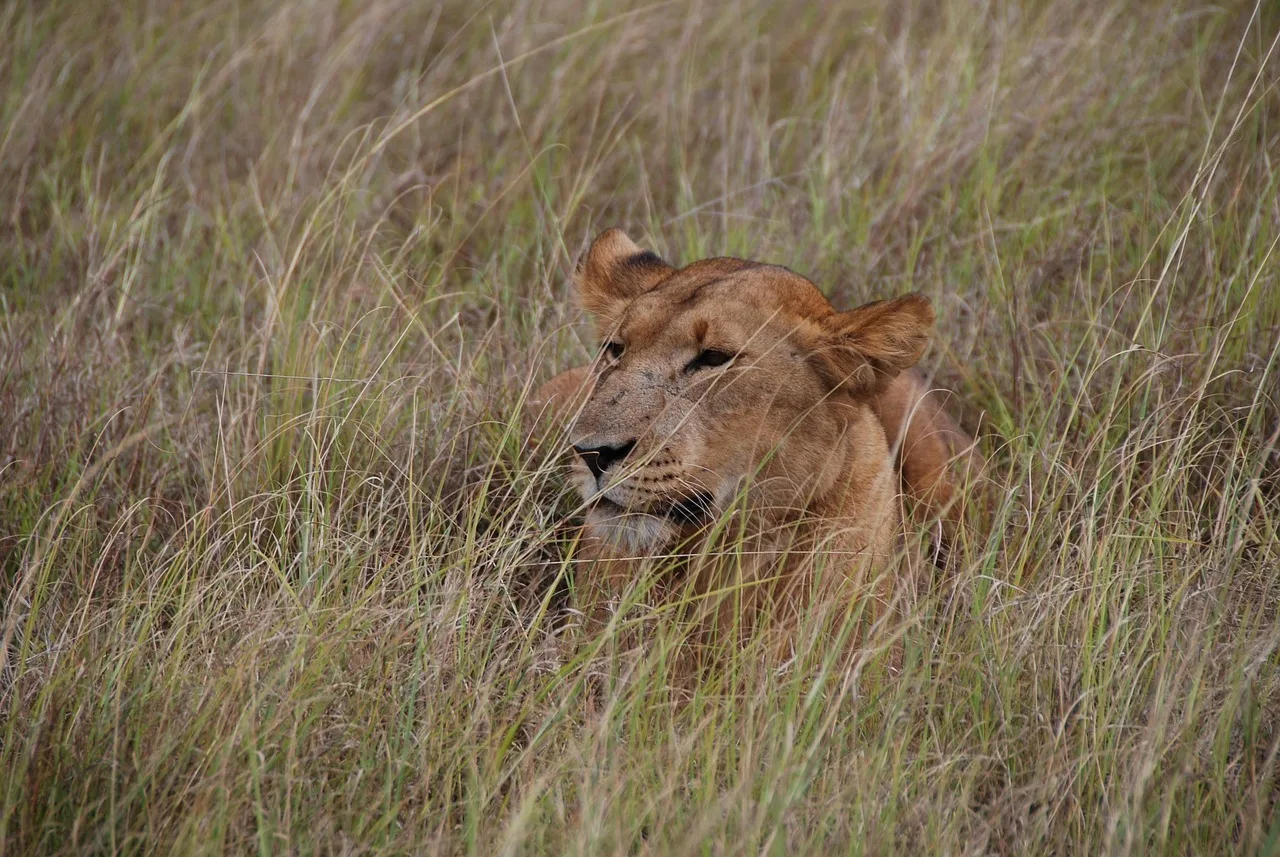
10 Day Luxury Masai Mara Safari and Diani Beach Escape
A privately designed ten day luxury bush and beach escape: one relaxed Nairobi arrival night, three nights of Masai Mara wildlife and...
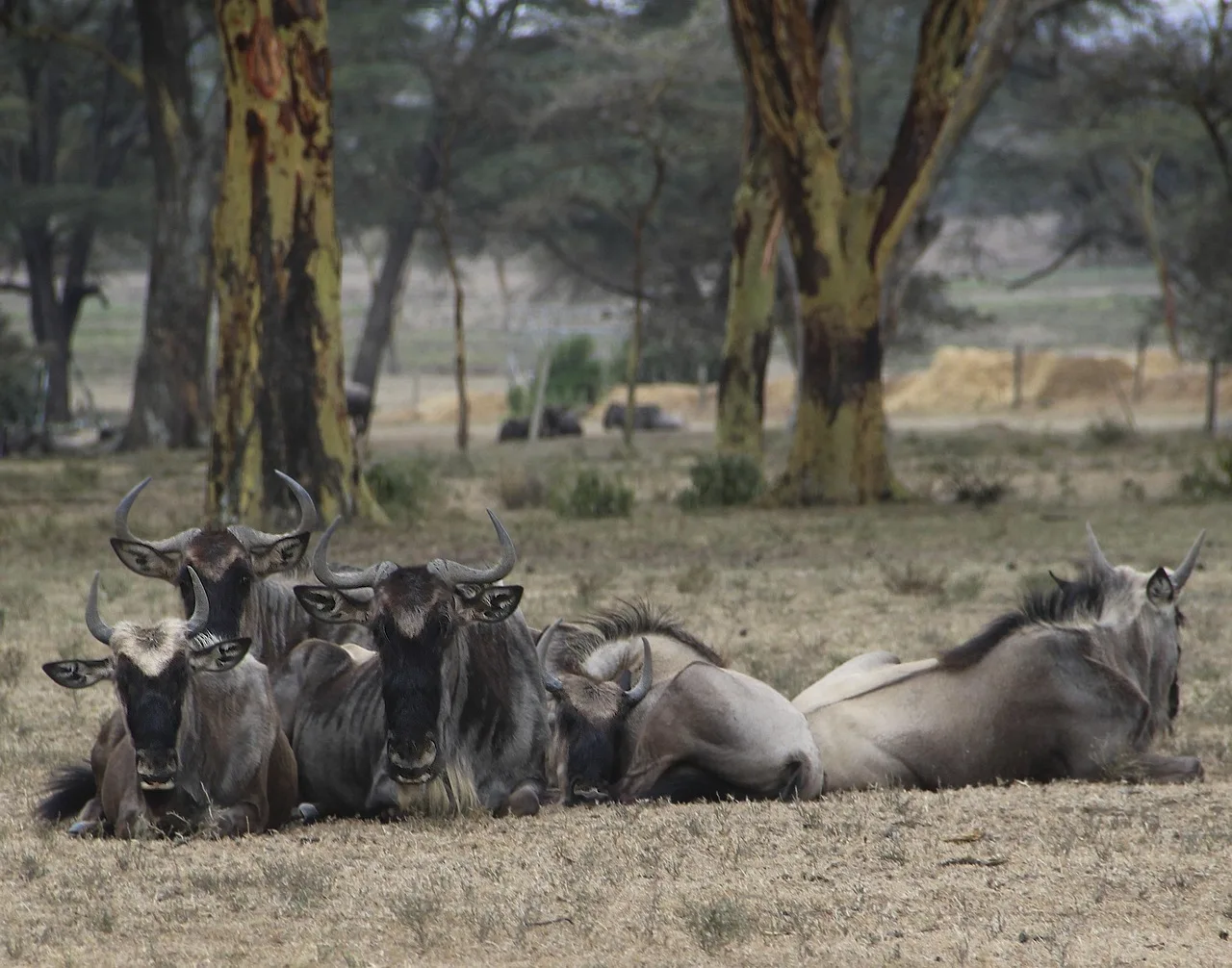
4 Day Masai Mara and Lake Naivasha Private Safari
Experience a private 4 day Masai Mara Lake Naivasha safari from Nairobi with hippo boat rides, walking safaris and big cat game...
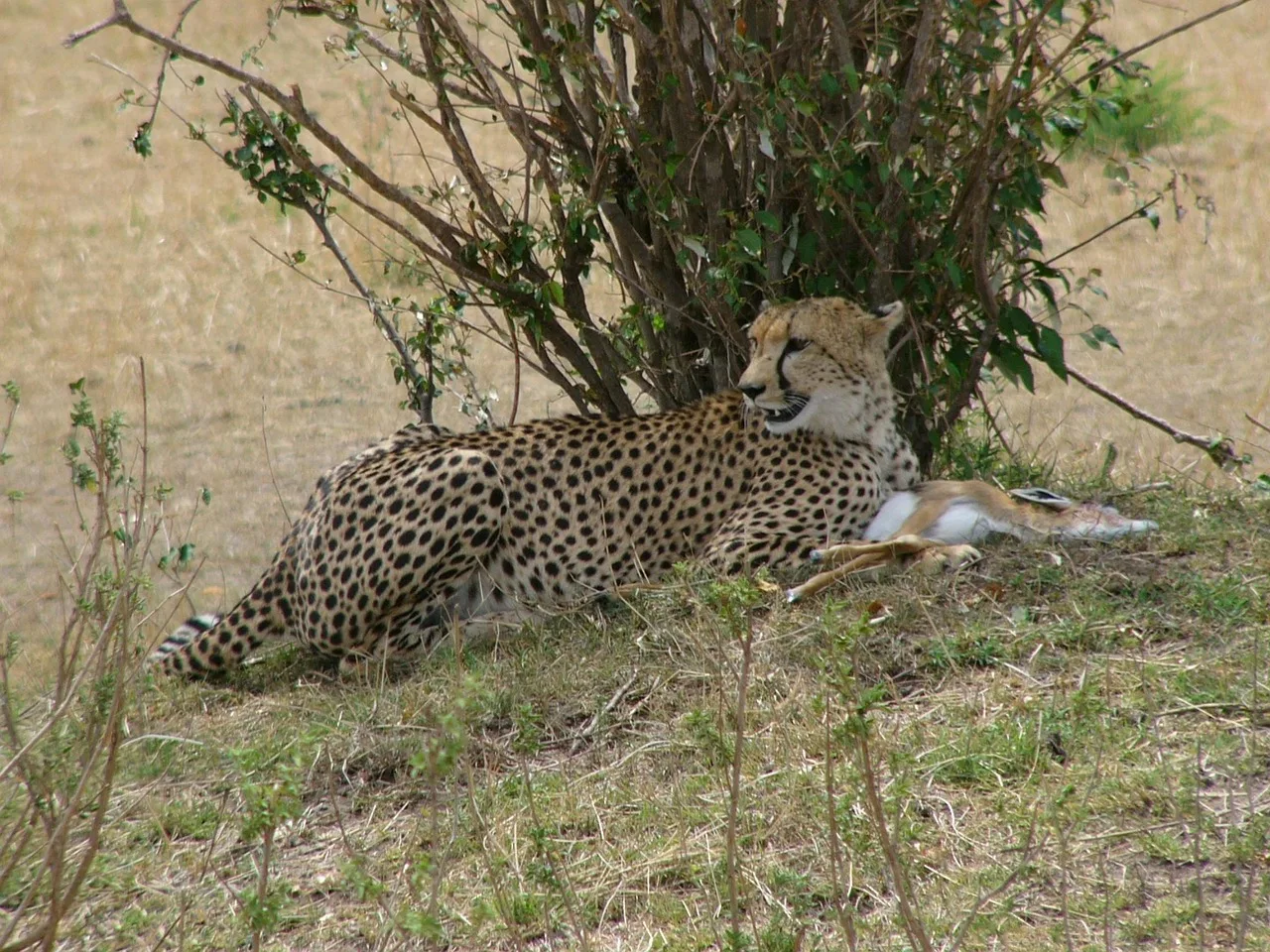
5 Day Amboseli, Naivasha and Masai Mara Safari
Discover three iconic Kenya regions on a private 5 day Amboseli Naivasha Masai Mara safari from Nairobi. Combine elephant plains, Rift Valley...
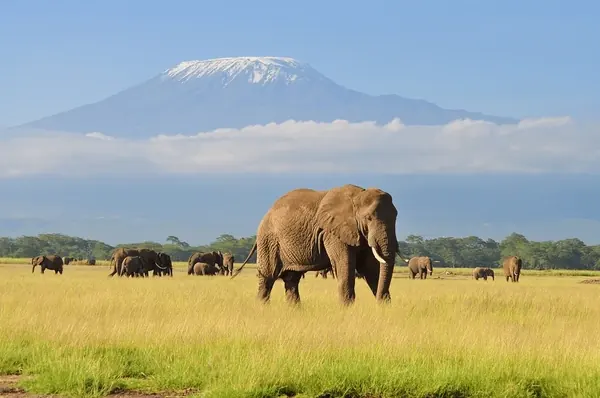
2 Day Amboseli Safari from Nairobi: Elephants and Kilimanjaro
A 2 day Amboseli safari from Nairobi combines a scenic southbound road transfer, an afternoon wildlife drive and a second early morning...
Ol Pejeta Day Safari from Nairobi: Rhino Conservation
An Ol Pejeta day safari from Nairobi offers an early departure to Laikipia for rhino-focused game drives and conservation interpretation. Travel roughly...
Continue exploring
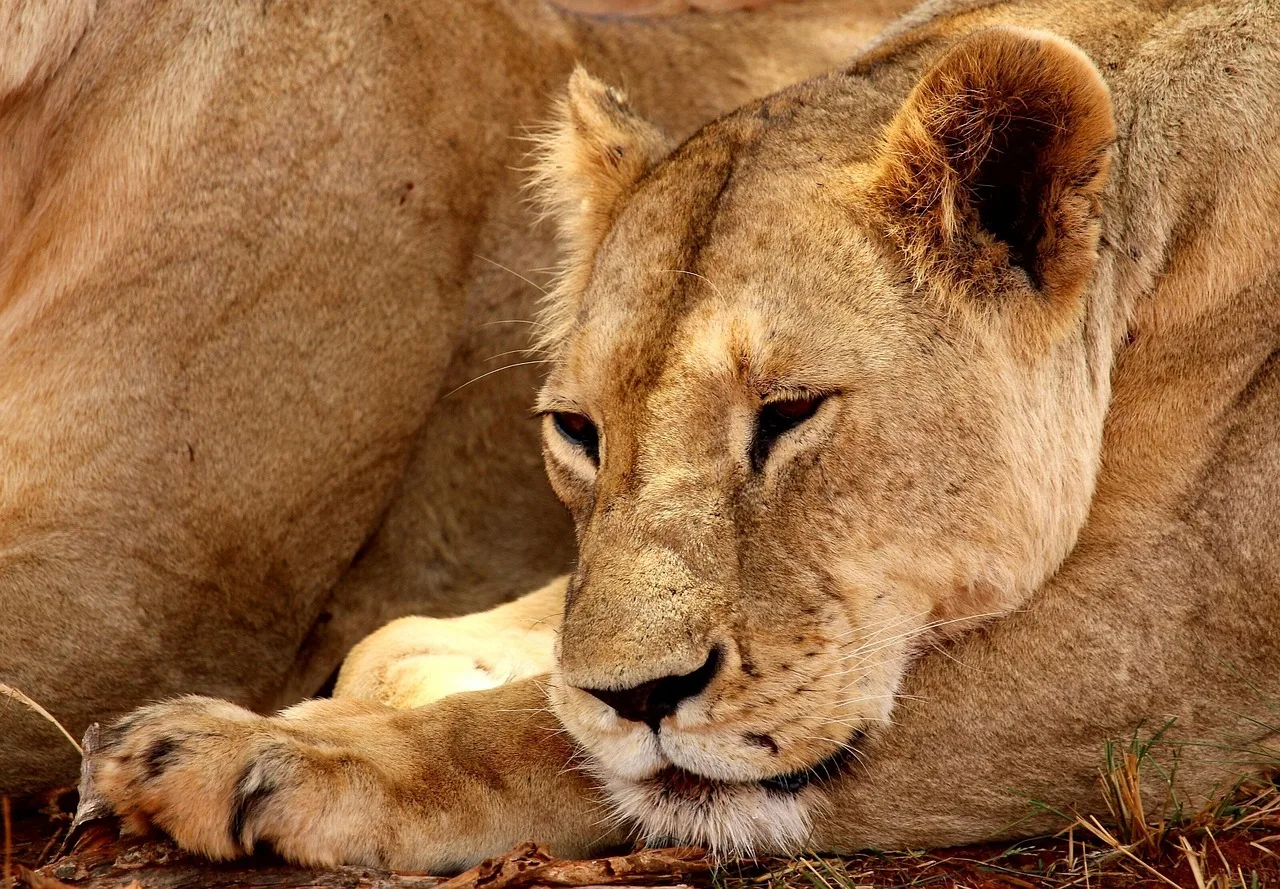
Kenya vs Tanzania Safari: Complete Guide for First-Time & Repeat Travellers
Weighing a Kenya vs Tanzania safari for your East Africa adventure? Compare signature wildlife parks, Great Migration windows, overall budgets, family logistics...
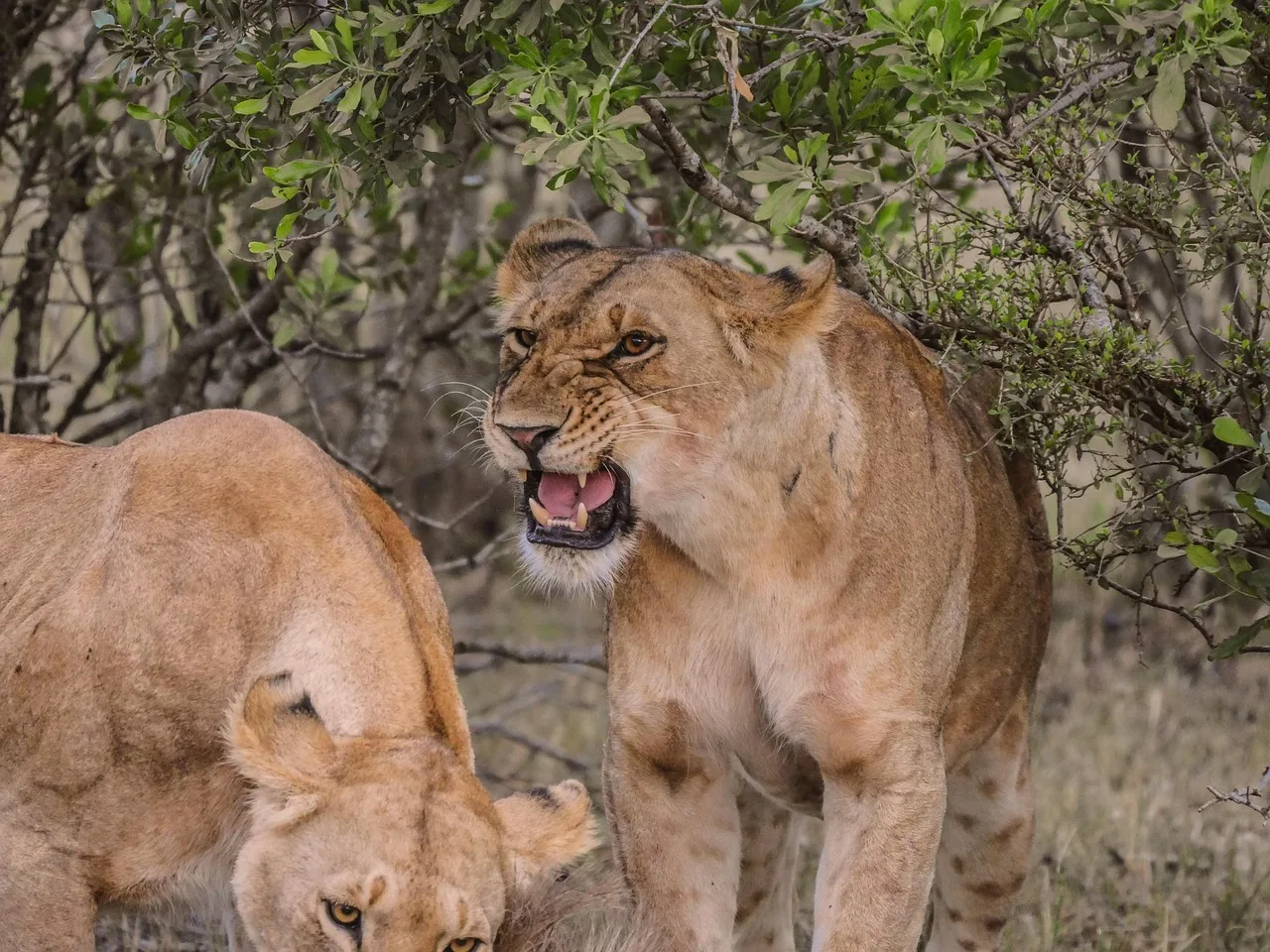
Masai Mara vs Serengeti: How to Choose the Right Safari
Deciding between Masai Mara vs Serengeti is one of the biggest questions in East African safari planning. Compare Great Migration timing, wildlife...
Kenya Safari with Children: A Practical Family Travel Planning Guide
A practical family safari guide covering ages, drive times, child-friendly accommodation, health preparation and flexible wildlife activities.